A toilet overflowing with sewage is not a repair you can put off until Monday. It can shut down a rental unit, damage flooring and belongings, create a health concern, and quickly turn into a dispute over who pays for sewer backups. The answer depends on where the blockage occurred, what caused it, and what the lease and insurance policies say.
For rental owners and property managers, the immediate job is clear: stop occupants from using water fixtures, get the line assessed, document the condition, and protect the property. Determining final responsibility matters, but it should not delay emergency cleanup and repair.
Who Pays for Sewer Backups at a Rental Property?
In many cases, the property owner pays for the plumbing repair and any building damage because the sewer line is part of the property. That is especially true when the problem comes from an aging pipe, root intrusion, a collapsed line, poor installation, or a blockage in a line the owner is responsible for maintaining.
But a tenant may be responsible when their actions directly caused the backup. Flushing wipes, paper towels, diapers, feminine products, excessive grease, or other non-flushable materials can create a blockage in the unit's branch line. When a qualified plumber can document that cause, the owner may be able to charge the tenant for the repair under the lease and applicable law.
A third party can also be responsible. If the problem is in the municipal sewer main rather than the private lateral line, the city or utility may have responsibility for repairs to its equipment. That does not automatically mean it will reimburse every cost inside the property. Municipal liability often depends on local rules, notice requirements, evidence of negligence, and whether the event was caused by an extraordinary storm.
The practical rule is simple: do not assign blame based on a guess. Get the line inspected first.
Start by Finding Where the Backup Began
A sewer backup can look the same from inside the property even when the cause is completely different. A single slow-draining shower may point to a localized branch-line clog. Multiple fixtures gurgling, toilets bubbling, or sewage coming up through a tub or shower drain usually suggests a main drain issue.
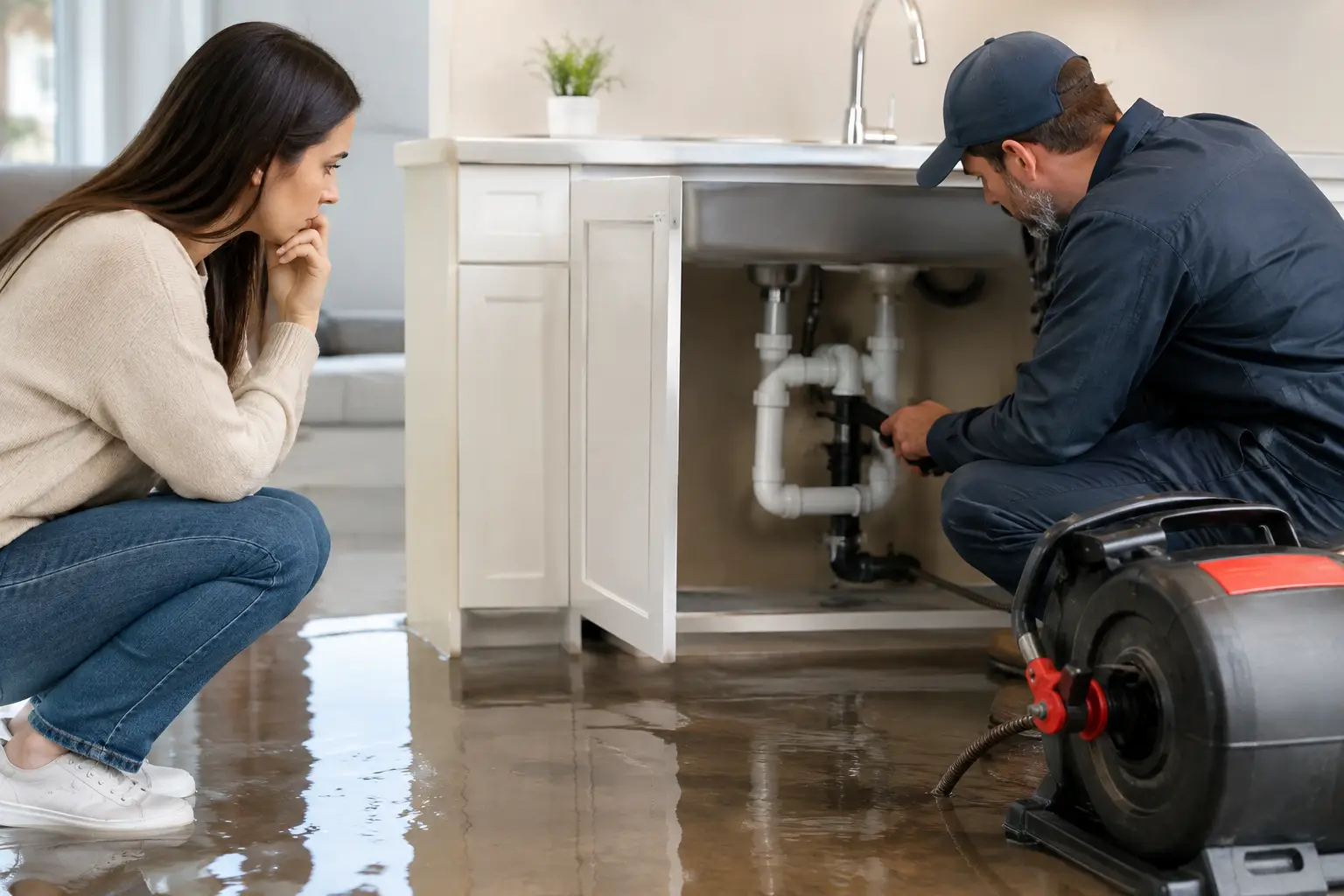
A licensed plumbing professional can clear the obstruction, inspect the line when needed, and identify whether the issue is on the private side or farther downstream. A camera inspection is especially useful when roots, a broken pipe, recurring clogs, or a possible utility problem are involved. It creates documentation that is far more useful than a verbal opinion after the emergency has passed.
For owners, keep the service invoice, photos, camera findings, cleanup records, tenant communications, and any utility report together. If there is an insurance claim or a dispute over charges, that file can make the difference between a supported decision and an expensive argument.
When the Landlord Is Usually Responsible
Owners are generally expected to provide and maintain habitable plumbing. In Florida rentals, that means landlords should take sewer and drainage complaints seriously and act promptly when a failure affects sanitation or safe occupancy.
The owner will commonly bear the cost when the backup results from normal wear, an old cast-iron or clay line, tree roots, a defective cleanout, a sagging pipe, or a maintenance issue that was not caused by the resident. A tenant does not become responsible simply because the backup happened while they were living there.
Responsibility is also likely to remain with the owner when the facts are unclear. If there is no evidence that tenant misuse caused the blockage, charging the tenant can create avoidable conflict and may be difficult to defend. A lease cannot turn a known property defect into the tenant's problem.
Owners should also remember that repairing the clog is only one part of the job. Sewage-contaminated materials may need professional cleaning or removal. Drywall, baseboards, flooring, insulation, cabinets, and personal property can all be affected differently depending on the extent and category of water damage.
When a Tenant May Have to Pay
Tenant responsibility is strongest when there is clear evidence that misuse caused the blockage. For example, a plumber may remove wipes, hygiene products, toys, large amounts of grease, or other materials that do not belong in the drain. A written finding, photographs, or camera footage gives the owner a factual basis for billing the repair.
The lease should support that decision. A well-written lease explains that tenants must use plumbing fixtures properly, report drainage issues promptly, and avoid flushing or pouring damaging materials into the system. It should also explain how repair charges are handled when resident negligence is documented.
Even then, use good judgment. A tenant who reports a slow drain quickly may have helped prevent a larger loss. A tenant who ignored repeated warnings, kept using fixtures after sewage appeared, or caused repeated clogs presents a different situation. Each event should be evaluated on its facts, not handled with a blanket policy.
What Insurance May Cover
Standard property insurance does not always cover damage from sewer or drain backups. Many policies require a separate water or sewer backup endorsement, often with its own deductible and coverage limit. Owners should review this before a loss, not while a cleanup crew is standing in a contaminated unit.
Landlord insurance may help pay for covered building damage, cleanup, and sometimes lost rental income, depending on the policy. It may not cover every repair to the sewer line itself, especially if the line failed due to wear, deterioration, or deferred maintenance. Personal belongings inside the rental are generally the tenant's responsibility, which is one reason renters insurance matters.
A tenant's renters policy may cover damaged belongings if it includes sewer backup or water backup coverage. It usually will not pay to repair the building's plumbing system unless the tenant caused the damage and is legally liable.
Do not promise coverage to a tenant or assume the insurer will decide fault for you. Report the loss promptly, preserve evidence, and let the carrier review the policy and circumstances.
What to Do in the First Hour
Speed limits damage. Once a backup is reported, instruct the occupant to stop using toilets, sinks, showers, dishwashers, and washing machines. Water sent down any drain can make the overflow worse.
Then take these actions in order:
- Dispatch a qualified plumbing professional to locate and clear the blockage.
- Protect people from contaminated water and restrict access to affected rooms.
- Photograph conditions before major cleanup begins, when it is safe to do so.
- Contact the utility if the evidence points to a public main or manhole issue.
- Notify the insurance carrier when damage may exceed the deductible or involve significant cleanup.
This is where a single accountable maintenance team can save an owner time. R&M Services coordinates urgent property repairs with clear communication and job documentation, so owners are not left chasing separate vendors while a unit is out of service.
Avoid the Costly Mistakes After a Backup
The biggest mistake is treating a sewage backup like a routine clogged toilet. If sewage has contacted floors, walls, or furnishings, the area may require more than mopping and deodorizer. Delayed drying and incomplete cleaning can lead to lingering odors, damaged materials, tenant complaints, and a unit that is not ready to rent.
Another mistake is immediately deducting repair costs from a security deposit. In Florida, deposits have notice and timing requirements. Before making a charge, verify the cause, review the lease, retain the supporting records, and follow the required process. If the cause is uncertain, get a second professional opinion rather than turning a plumbing problem into a legal dispute.
Recurring backups deserve a permanent answer. Repeated drain clearing can be less expensive today, but it may cost more over time if roots, pipe deterioration, or a line break are never addressed. Camera inspection and targeted repair can protect the property, reduce emergency calls, and keep tenants from living with the same problem again.
A sewer backup is disruptive, but it does not have to become a drawn-out ownership problem. Respond fast, document the facts, repair the underlying cause, and make responsibility decisions after the evidence is in. That approach protects the property, treats residents fairly, and gets the unit functioning again with fewer surprises.