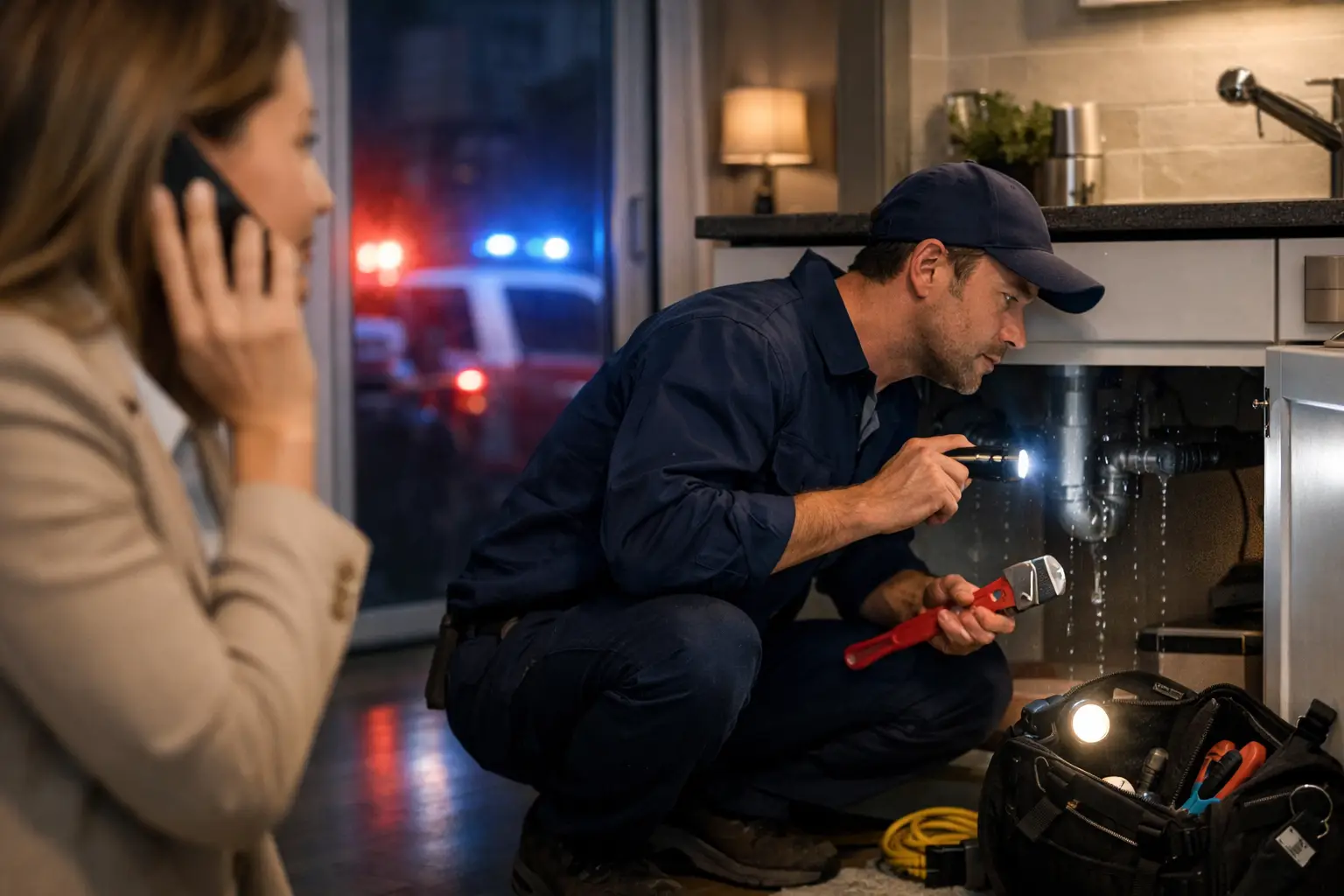
A pipe bursts at midnight. A commercial tenant reports no cooling during a Florida heat wave. A broken exterior lock leaves a rental unit unsecured. These situations demand an immediate, organized response, and the worst time to figure out who handles emergency maintenance is after the damage has already begun spreading. Property owners, landlords, HOAs, and managers who establish clear emergency protocols in advance protect their properties, their tenants, and their bottom line.
Understanding responsibility before a crisis occurs is not just good practice. It is the difference between a contained repair and a costly, complicated loss.
Establish Protocols Before Emergencies Happen
Who handles emergency maintenance is not a question to sort out after the damage has started. Property owners, landlords, HOAs, and managers must establish clear emergency protocols before crises occur. Every property should have a documented chain of responsibility that identifies who receives the initial report, who authorizes work, who responds on-site, and who follows up with documentation. When these roles are unclear, response delays increase, damage escalates, and costs multiply. A plan created during calm conditions works far better than decisions made during a midnight water leak.
Rental Property Emergency Responsibilities
For rental properties, the landlord or property manager typically serves as the first point of contact. They assess the urgency, authorize necessary work, coordinate the response team, and maintain documentation throughout the process. Tenants should know exactly who to call and what information to provide: the nature of the problem, whether it threatens safety, whether water or utilities need to be shut off, and whether the unit is still habitable. Clear instructions provided at lease signing and posted inside the unit prevent confusion during high-stress situations. Property managers who handle maintenance through a single coordinated team can respond faster because they do not need to locate and schedule separate vendors during an emergency.
HOA and Commercial Property Emergencies
In HOA communities, responsibility often splits between unit owners for interior fixtures and associations for common areas and structural elements. This division can create confusion during emergencies that affect both areas, such as a water leak that starts in a common area pipe but damages a unit interior. Clear documentation of responsibility boundaries, current vendor contacts, and spending authority helps HOA boards respond effectively. Commercial properties follow a similar pattern where building owners handle structural and system emergencies while tenants may be responsible for their interior space. The key is making sure every party knows their role before an emergency tests the plan.
What Qualifies as an Emergency
True emergencies threaten health, safety, or property itself. Active flooding, gas odors, no heat during extreme cold, electrical hazards, and security breaches all require immediate response. Less urgent issues like a single burned bulb, a dripping faucet, or a cosmetic crack can wait for regular business hours. The distinction matters because emergency response typically costs more and disrupts schedules. Training tenants and staff to distinguish between true emergencies and routine maintenance requests helps owners control costs while still protecting safety. Safety always comes before the repair. Situations involving fire, suspected gas leaks, or medical risks warrant immediate 911 calls before any property maintenance attempts.
Spending Authority and Response Speed
Owners should establish spending authority limits beforehand to avoid delays that increase repair costs. When a property manager needs to call the owner at 2 AM for authorization to spend $300 on an emergency plumber, the delay can turn a manageable leak into significant water damage. Pre-authorized spending limits for emergency situations allow the response team to act immediately within defined boundaries. A common approach sets a per-incident authorization, such as $500 or $1,000, that allows immediate repairs without owner approval for each individual expense. Larger repairs still require owner notification but can begin with containment measures while authorization is arranged.
Access Information and Documentation
Maintaining current access information including gate codes, lock combinations, tenant contact details, and utility shutoff locations prevents response failures during emergencies. A maintenance team that arrives on-site but cannot access the unit or locate the water shutoff loses critical response time. Documentation during the emergency is equally important. Record arrival times, damage photos, work descriptions, materials used, and invoices. This information supports insurance claims, identifies recurring problems, and provides accountability for the response. Every emergency should generate a written record that becomes part of the property's maintenance history.
Consolidate Emergency Contacts
Rather than juggling separate plumbers, electricians, and HVAC specialists during a crisis, consolidate emergency contacts into one accountable maintenance team. A single provider who handles multiple repair categories can assess the full scope of an emergency, coordinate the necessary response, and document the work through one point of contact. R&M Services & Property Management provides 24/7 emergency response for property owners across the Tri-County area, combining fast on-site response with documented repairs, clear communication, and the ability to handle plumbing, electrical, HVAC, and general maintenance through one coordinated team.