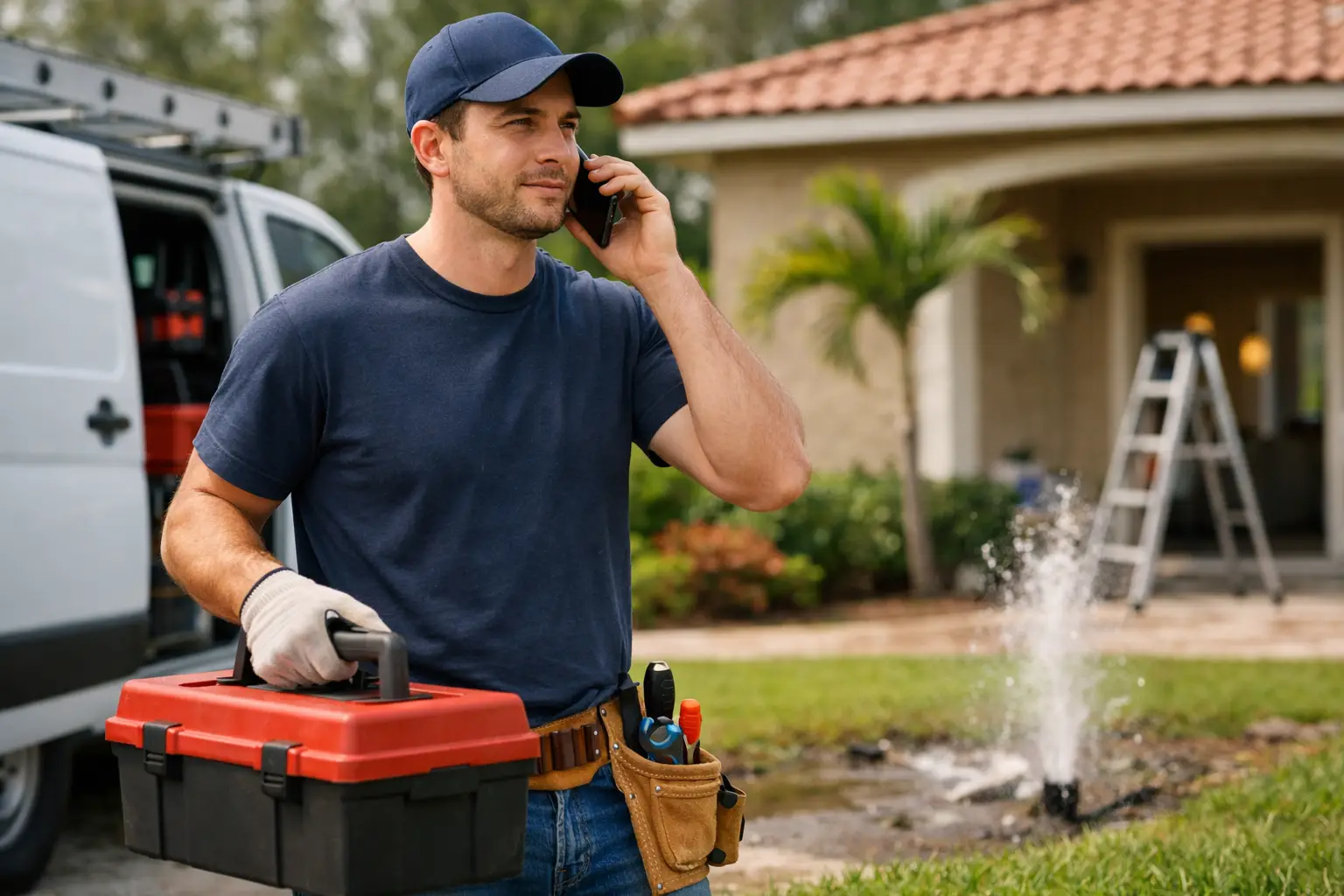
A ceiling stain spreads after a midnight storm. A tenant reports no air conditioning on a July weekend. Water is pooling beneath a kitchen sink in a unit that is supposed to show tomorrow morning. When the problem cannot wait, an emergency handyman Ocala property owners can reach is not a convenience - it is the difference between a contained repair and an expensive disruption.
For landlords, investors, HOA managers, commercial owners, and vacation-rental operators, emergency maintenance is about more than fixing what broke. It is about protecting the building, preserving tenant confidence, avoiding preventable vacancy, and knowing someone accountable is handling the next step.
What Counts as a Property Maintenance Emergency?
Not every repair requires an after-hours response. A loose cabinet pull, a slow-draining bathroom sink, or a damaged screen can usually be scheduled during regular service hours. Calling those items emergencies raises costs and pulls attention away from issues that can cause immediate harm or property damage.
A true maintenance emergency generally involves active water, electrical risk, loss of an essential system, a security failure, or damage that is getting worse by the hour. The question is simple: if no one takes action now, could people be unsafe or could the property suffer significantly more damage?
Common examples include an active plumbing leak, overflowing toilet, failed water heater, roof or window damage after severe weather, electrical sparks or repeated breaker trips, a broken exterior door lock, and air conditioning failure during dangerous heat. In Ocala and throughout Marion County, summer HVAC problems and storm-related exterior damage are especially time-sensitive because heat and moisture can quickly turn a manageable issue into a larger one.
Some situations require a different first call. If there is fire, smoke, a suspected gas leak, a medical emergency, or an immediate threat to life, contact emergency services and leave the area when appropriate. A maintenance team can address the property repair after the immediate safety risk has been handled.
Why Fast Response Protects More Than the Repair Budget
The visible problem is rarely the full problem. A small supply-line leak can soak drywall, flooring, baseboards, and insulation before it is shut off. A damaged exterior opening can allow rain, pests, or unauthorized entry. An HVAC outage can lead to tenant complaints, canceled stays, or heat-related safety concerns.
For rental owners, response time also affects income. Tenants reasonably expect a clear path for reporting urgent issues and an update on what happens next. When communication is poor, a repair problem becomes a relationship problem. That can mean poor reviews, lease disputes, turnover pressure, or more time spent by the owner trying to calm a situation from miles away.
The right response is not always a complete replacement at 2 a.m. Sometimes the immediate job is to stop water, secure an opening, restore a basic function, or make the area safe until the correct part or specialized repair can be completed. That is still valuable work. Stabilizing the property prevents further loss and gives the owner a documented plan instead of a vague promise that someone will "get to it."
Emergency Handyman Ocala Owners Can Use With Confidence
A dependable emergency service should offer more than a truck arriving quickly. Owners need a team that can assess the situation, communicate plainly, perform the repair within its scope, and coordinate the next trade when a larger issue is involved.
That matters because emergency calls often cross service categories. A leak may require plumbing work, drywall removal, drying, and a follow-up repair. A storm-damaged soffit may also expose electrical components or create a pest entry point. A single-source maintenance partner reduces the familiar scramble of calling separate vendors, explaining the same problem repeatedly, and hoping each one shows up.
R&M Services is built for this practical reality. As a locally owned, licensed, and insured property maintenance team, it handles urgent repairs, routine maintenance, and larger multi-trade work with one point of responsibility. For owners who do not live near the property, that local accountability matters just as much as the repair itself.
What to Do Before Help Arrives
A few calm steps can limit damage while an emergency technician is on the way. Do not attempt repairs that put you at risk, especially around electricity, standing water, roofs, or unstable materials. The goal is containment, not a do-it-yourself fix.
If water is actively leaking and you can safely reach the fixture shutoff or main water shutoff, turn off the water. Move electronics, rugs, furniture, and valuables out of the affected area if it is safe to do so. For a toilet overflow, stop using nearby fixtures until the cause is identified, since a blockage farther down the line may be involved.
For an electrical concern, avoid touching outlets, panels, or appliances that are wet, hot, sparking, or producing a burning smell. If it is safe and you know which breaker controls the affected circuit, turn it off. If you are unsure, leave it alone and keep people away from the area.
With storm damage, take photos from a safe location and keep occupants away from weakened ceilings, fallen branches, exposed wiring, or broken glass. If a door or window no longer locks, secure the area as best you can without creating a safety hazard. Details such as when the issue started, what was observed, and whether utilities were shut off help the responding team arrive prepared.
A Better Emergency Process for Rental and Commercial Properties
The most effective emergency response starts before the call. Owners with multiple units, commercial spaces, or frequent turnovers benefit from a clear reporting process that tells tenants and staff what is urgent, who to contact, and what information to provide. That prevents delays caused by incomplete messages like "the sink is broken."
At the time of service, the process should be straightforward: report the issue, receive an initial response, and allow the team to assess and contain the problem. From there, the owner should receive clear information on what was found, what was completed, what remains, and whether further work is recommended. Photos and written job documentation are particularly useful for remote owners, property managers, insurance records, and tenant communication.
The trade-off is that emergency work may cost more than scheduling the same repair during normal hours. That is often reasonable when the alternative is water damage, a vacant unit, unsecured access, or an unhappy tenant left without an essential system. A trustworthy provider explains the immediate priority and separates it from elective improvements that can wait.
Preventing the Next After-Hours Call
Some emergencies are unavoidable. Storms happen, equipment fails, and hidden plumbing defects can appear without warning. But many after-hours calls start as deferred maintenance: a toilet that has been running for weeks, a breaker that trips occasionally, an HVAC unit that is cooling less effectively, or deteriorated caulk around a window.
Routine inspections give owners a chance to catch those warning signs before they become urgent. Seasonal HVAC service, plumbing checks, roof and gutter reviews, exterior sealing, appliance inspections, and prompt attention to tenant work orders all reduce the odds of a costly surprise. For vacant units, a make-ready inspection can identify leaks, damaged fixtures, pest entry points, and safety concerns before the next resident receives keys.
Preventive work is not about spending money on every minor imperfection. It is about prioritizing the conditions most likely to interrupt occupancy, create liability, or damage the asset. A local team familiar with the property can help distinguish between repairs that should happen now, work that should be scheduled soon, and items that can be monitored.
Do Not Let an Urgent Repair Turn Into a Vacancy
The best emergency repair experience leaves everyone with less uncertainty. The tenant knows the issue was taken seriously. The owner knows what happened and what it will take to finish the job. The property is safe, secure, and moving back toward normal operation.
When a leak, HVAC failure, electrical concern, or property damage cannot wait, act early, share clear details, and choose a maintenance team that will show up, document the work, and stay accountable through completion. That is how an urgent call becomes a controlled repair instead of a long, expensive interruption.