A leaking supply line rarely starts as a major repair. It starts as a slow drip under a sink, a little staining at the cabinet base, or a tenant who is not sure whether the issue is worth reporting. By the time it becomes urgent, the repair can involve flooring, drywall, mold concerns, an unhappy resident, and lost rental income. That is exactly what preventive maintenance plan rentals are designed to prevent: small problems becoming expensive disruptions.
For landlords and property owners, maintenance is not just a line item. It affects vacancy time, tenant retention, property condition, insurance risk, and how much of your own time gets consumed by calls and contractor coordination. A practical plan gives every property a routine, a record, and a local team responsible for catching issues before they force your hand.
What a Preventive Maintenance Plan Does for Rentals
A preventive maintenance plan is a scheduled system for inspecting, servicing, and documenting the parts of a rental property most likely to fail or cause damage. Instead of waiting for a tenant to report an issue, maintenance is handled at regular intervals based on the property's age, systems, occupancy, and condition.
The goal is not to replace every part before it wears out. That would waste money. The goal is to identify wear, safety concerns, moisture intrusion, drainage problems, HVAC performance issues, and deferred repairs early enough to make an informed, lower-cost decision.
For a single-family rental, that might mean seasonal HVAC checks, plumbing inspections, exterior walkthroughs, and testing smoke and carbon monoxide alarms. For a duplex, apartment building, retail space, or HOA common area, the plan may require more frequent inspections and a clear priority system for shared equipment.
A good program also creates accountability. Work should be documented with notes and photos so owners can see what was inspected, what was repaired, what needs monitoring, and what may need to be budgeted for later. You should not have to guess whether the work was completed or chase down a contractor for an update.
Why Reactive Maintenance Costs More
Reactive maintenance feels cheaper when nothing is actively broken. But deferred work has a way of showing up at the worst possible time: during a holiday weekend, just before move-in, or while a property is already vacant and waiting on repairs.
Consider an air conditioning system in a Marion County rental. A clogged drain line, dirty filter, weak capacitor, or neglected coil can begin as a minor service call. During peak Florida heat, that same issue can become an emergency no-cool situation, leaving a tenant frustrated and putting extra strain on an already failing system. Routine servicing does not guarantee that an HVAC unit will never break, but it reduces avoidable breakdowns and helps identify equipment nearing the end of its useful life.
The same logic applies to plumbing. A worn toilet fill valve is inexpensive. A toilet that runs continuously can waste water for weeks. A loose fitting behind a washing machine can become a leak that damages flooring and drywall. Exterior issues follow a similar pattern. Loose gutters, poor grading, damaged caulk, and failing weather seals may look minor until heavy rain finds its way inside.
Preventive maintenance also protects your schedule. When repairs are planned, you can coordinate access with tenants, combine jobs during one visit, and approve work before an emergency forces a rushed decision. That is a better position for owners and residents alike.
What Should Be Included in a Rental Maintenance Plan?
The right scope depends on the property. A newer condo with an HOA handling exterior systems needs a different plan than a 1970s single-family home with a septic system, mature trees, and aging mechanical equipment. Still, most rental plans should cover the core areas where failure creates safety concerns, property damage, or tenant disruption.
Interior systems and safety checks
Routine interior inspections should look for active leaks, moisture under sinks, slow drains, running toilets, loose fixtures, GFCI outlet operation where applicable, damaged caulk, appliance concerns, and signs of pest or water intrusion. Smoke alarms and carbon monoxide alarms should be tested and documented according to the property's needs and applicable requirements.
This is also a chance to spot small tenant-reported issues that may not have reached the level of a formal maintenance request. A sticking door, a loose handrail, or a bathroom exhaust fan that is not working properly can be handled before it becomes a larger complaint or safety concern.
HVAC and appliance maintenance
Air conditioning is not an area to leave on autopilot in Central Florida. Scheduled HVAC maintenance can include filter checks or replacement, drain line service, thermostat review, condensate system inspection, and an assessment of overall performance. The exact service should match the unit, manufacturer guidance, and the conditions at the property.
Appliance maintenance is more selective. Not every appliance needs extensive recurring service, but hoses, connections, dryer vents, refrigerator water lines, and visible signs of wear deserve attention. If a property has older appliances, a maintenance visit can help you decide whether repair still makes financial sense or whether replacement should be planned before a turnover.
Exterior, drainage, and landscaping concerns
The exterior often gives early warning signs that are easy to miss when you do not live near the property. Walkways, steps, railings, gates, exterior lighting, roofline conditions visible from the ground, siding, seals around windows and doors, and drainage should all be reviewed.
In Florida, water management matters. Gutters that overflow, downspouts that empty near the foundation, low spots in the yard, or vegetation pressing against the building can create problems that go beyond appearance. Landscaping maintenance is not only curb appeal. It can protect access, reduce pest harborage, keep drains clear, and prevent branches from causing damage during storms.
How Often Should Rental Properties Be Inspected?
There is no single inspection schedule that fits every property. As a starting point, many rentals benefit from seasonal maintenance visits, with more frequent checks for properties that have older systems, recurring moisture concerns, high tenant turnover, or commercial use.
A quarterly schedule can be a strong fit for homes with aging HVAC equipment, properties that have had previous leaks, or owners who want closer oversight. Semiannual visits may be enough for a newer, well-maintained rental with stable tenants. Exterior checks may also need to happen after severe weather, even if the next scheduled visit is still months away.
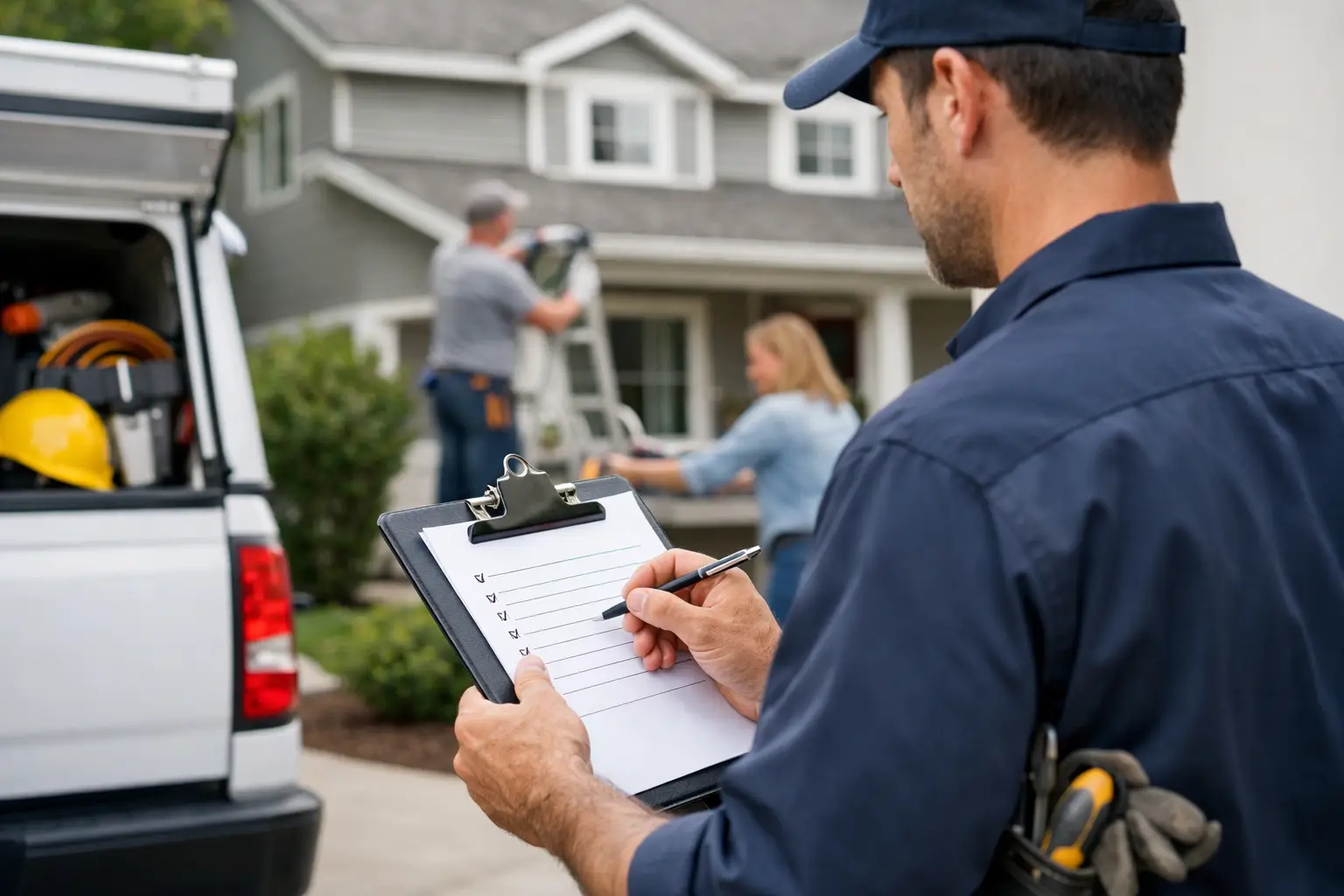
The key is consistency. A plan that exists only on paper will not prevent much. Each visit should have a checklist tailored to the property, documented findings, completed repairs, and a list of recommended next steps with clear priorities.
A Simple Process That Does Not Create More Work for You
A preventive plan should reduce management friction, not add another spreadsheet to your workload. The process works best when it is straightforward.
First, the property is assessed. That includes identifying the age and condition of major systems, reviewing known problem areas, and determining which tasks belong on a recurring schedule. A rental with a history of drain backups needs different attention than one with a newer plumbing system.
Next, the maintenance provider schedules routine visits and coordinates access. For occupied units, respectful tenant communication matters. Residents should know why access is needed, when the visit is planned, and how to report concerns that should be reviewed during the appointment.
Finally, the owner receives clear documentation. Photos, repair notes, completed work, and recommendations should make it easy to understand the property's condition. Urgent issues should be separated from improvements that can be budgeted or completed during the next turnover.
R&M Services can coordinate this kind of recurring property care alongside repairs, emergency response, turnover work, and ongoing property management. That matters when an inspection finds more than one issue. Instead of calling separate vendors for plumbing, electrical, HVAC, landscaping, and general repairs, owners have one local point of responsibility.
Preventive Maintenance Is Not a Substitute for Fast Repairs
A maintenance plan lowers the number of surprises, but it does not eliminate emergencies. A water heater can fail without warning. A storm can damage a fence. A tenant may report a problem between scheduled visits. Owners still need a responsive team that can triage the issue, communicate clearly, and complete the repair without unnecessary delay.
That is why the best preventive programs are connected to a capable repair operation. The same team that inspects the property should be able to address common findings, coordinate licensed work when needed, and respond when something cannot wait. Documentation from prior visits also gives the repair team useful context instead of making every call a fresh investigation.
A plan is especially valuable before and after tenant turnover. Pre-move-in maintenance helps deliver a clean, functioning home and reduces early maintenance calls from new residents. Post-move-out inspections help identify wear, damage, and deferred work while the property is vacant, when repairs can be completed faster and without coordinating around an occupied unit.
Choosing the Right Plan for Your Portfolio
Do not buy a generic checklist just because it sounds comprehensive. Ask what gets inspected, how often the provider visits, whether repair findings are documented, how tenant access is coordinated, and who handles urgent problems. A plan should fit your property type and give you usable information, not a vague report with no follow-through.
For owners with one rental, the value may be fewer emergency calls and a clearer picture of what the property needs. For owners with several units, the bigger benefit is consistency. Every property receives the same level of attention, recurring issues are easier to track, and capital expenses can be planned instead of discovered during a crisis.
The right maintenance plan lets you stay ahead without personally inspecting every drain, filter, railing, and exterior seal. Set the schedule, require documentation, and make sure the team responsible can act when the inspection reveals a real problem. That is how a rental stays rent-ready while you get your time back.