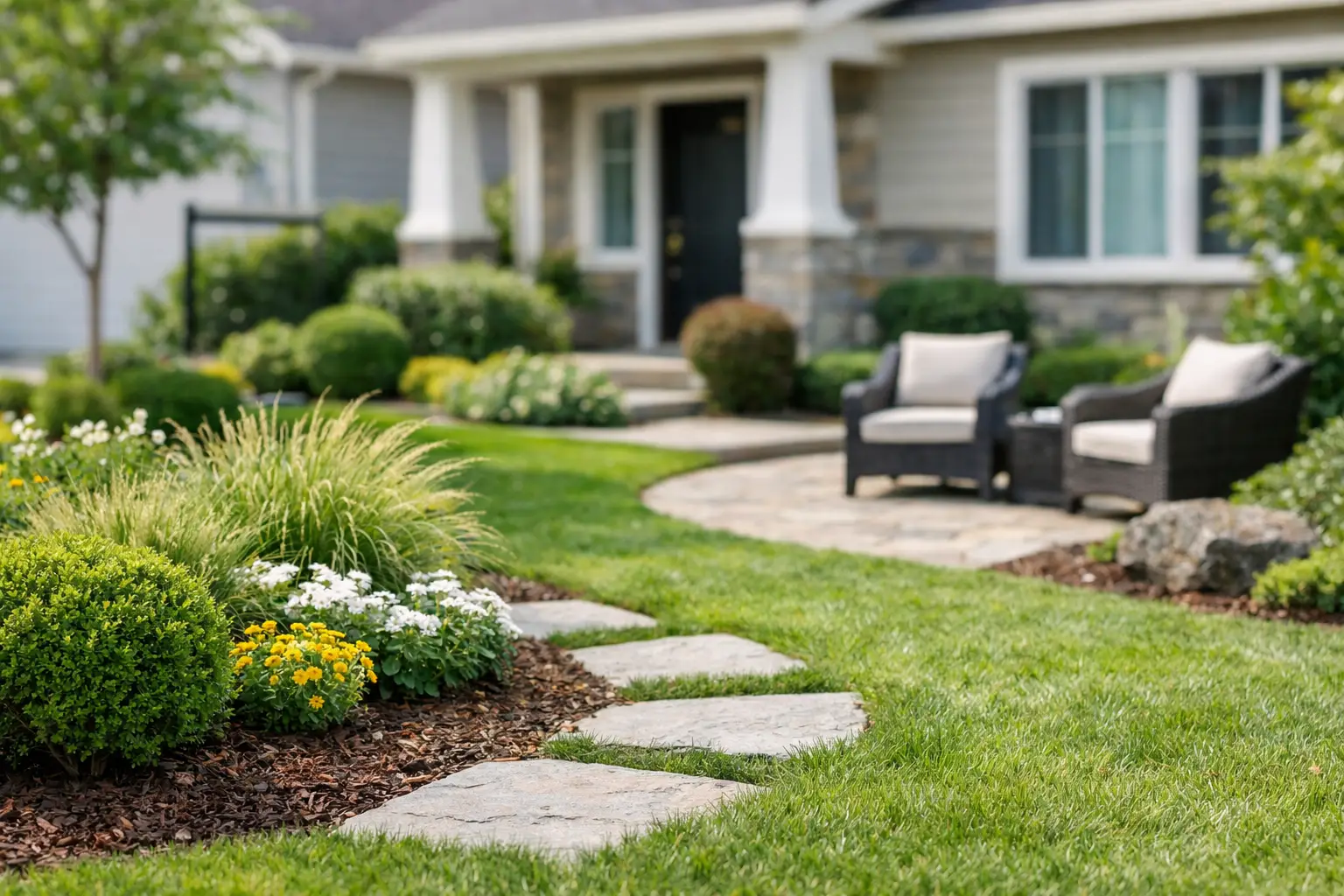
A tenant can decide how they feel about a rental before they ever unlock the front door. Dead grass, overgrown shrubs, leaves packed in gutters, or a walkway hidden by vegetation sends a message that maintenance may be an afterthought. Landscaping for rental properties is not about creating a magazine-worthy yard. It is about protecting the asset, reducing avoidable complaints, and presenting a clean, rent-ready property every time someone pulls up.
For owners across Ocala, Dunnellon, and Marion County, the challenge is keeping exterior maintenance consistent without spending every weekend chasing vendors, trimming bushes, or answering tenant texts about a fallen limb. The right landscape plan makes that work predictable.
Landscaping for Rental Properties Starts With Operations
A rental yard has different priorities than an owner-occupied yard. A homeowner may enjoy high-maintenance flower beds, specialty plants, and detailed edging. Those features can look great, but they also require more watering, pruning, replacements, and tenant cooperation. Every extra requirement is another chance for the property to look neglected.
The better approach is to build a landscape plan around durability and clear responsibility. Ask practical questions: Can this plant handle Florida heat and heavy rain? Will it block windows, the HVAC unit, or walkways as it grows? Is the irrigation system simple enough to inspect and repair? Can a maintenance crew service the whole property efficiently?
Curb appeal still matters. It affects applicant interest, supports a stronger first impression, and helps current residents take pride in where they live. But curb appeal should come from a tidy, healthy, low-drama exterior, not a yard that needs constant attention.
Focus on the Areas That Create the Most Problems
Some exterior issues do more than hurt appearances. They create liability concerns, property damage, pest pressure, and turnover delays. These are the areas that deserve routine attention.
Keep entrances, paths, and parking areas clear
Overgrowth near entry doors, sidewalks, driveways, mailboxes, and parking areas is a safety issue. Wet leaves, loose branches, uneven pavers, and low-hanging limbs can create slip, trip, and visibility problems. At a rental, these conditions also become service calls that interrupt everyone's day.
Keep plants trimmed back from walkways and entry points. Make sure exterior lighting is not covered by branches. If the property has a fence, gate, or address marker, vegetation should not interfere with access or emergency visibility. This work is basic, but it makes a property feel cared for and easier to use.
Manage water before it becomes damage
Florida landscapes deal with long stretches of heat followed by intense rain. A yard that holds water against the home can lead to erosion, soft ground, standing water, and moisture problems around the foundation. Clogged gutters and downspouts add to the problem by dumping water in the wrong place.
During routine exterior visits, look for washouts, puddling near the structure, exposed roots, damaged downspout extensions, and mulch that has floated away. Correcting drainage issues early is far less expensive than addressing siding damage, foundation concerns, or recurring mosquito complaints later.
Protect HVAC equipment and utility areas
Shrubs and vines can quickly crowd outdoor HVAC condensers, electrical equipment, hose connections, and water shutoffs. That can limit service access and reduce airflow around the HVAC unit. It also makes a simple maintenance visit take longer than it should.
Maintain a clear service area around equipment. The exact clearance depends on the unit and manufacturer guidance, but the point is straightforward: technicians need room to inspect, clean, and repair critical systems. Landscaping should support the property's operation, not work against it.
Remove storm risks before storm season
A dead limb does not wait for a convenient time to fall. In Central Florida, high winds and heavy rain can turn neglected trees into roof damage, fence damage, blocked driveways, and emergency calls. Tree work can require qualified professionals, especially when limbs are near power lines or structures.
Regular visual checks help identify hanging branches, cracked limbs, trees leaning toward the building, and vegetation rubbing against the roof. Do not wait until a tenant reports a problem during a storm. Preventive trimming and debris removal are easier to schedule and easier to budget.
Choose Low-Maintenance Landscaping, Not Cheap Landscaping
The lowest upfront price is not always the lowest operating cost. Installing plants that need frequent watering, seasonal replacements, or daily attention can cost more over the life of a rental than using a simpler, hardier design from the beginning.
For most rental properties, prioritize established plants suited to the local climate, mulch beds that are easy to refresh, and turf areas that are manageable for the property size. Native and Florida-friendly choices can reduce water demands once established, although no plant is truly maintenance-free. They still need appropriate spacing, pruning, pest monitoring, and occasional replacement.
Avoid placing fast-growing shrubs directly beneath windows, beside air-conditioning equipment, or against the building. Give plants room to reach their mature size. It may look sparse on installation day, but it prevents the common cycle of aggressive trimming, damaged siding, and overcrowded beds later.
Mulch deserves attention too. A fresh, contained layer makes a property look cleaner and helps manage weeds and moisture. However, piling mulch against the siding or foundation can trap moisture and invite pest activity. Keep it off the structure and replenish it as needed rather than building it higher each season.
Set Tenant Responsibilities in Writing
Confusion over yard care is one of the easiest ways to create friction between owners and tenants. A lease that simply says the tenant is responsible for landscaping leaves too much open to interpretation. Does that include mowing? Weeding? Shrub trimming? Irrigation adjustments? Fallen branches after a storm?
Spell out the tasks, frequency, and reporting expectations. If the tenant handles mowing, state the expected condition of the lawn and who supplies equipment. If the owner provides recurring landscape service, explain what that service includes and what tenants should report between visits. Make clear that tenants should not remove trees, apply unapproved chemicals, alter irrigation, or make major changes to beds without approval.
Owner-provided service often makes sense for multi-unit properties, homes with larger yards, vacation rentals, and any property where exterior appearance directly affects leasing. It gives the owner greater consistency and prevents one resident's schedule or equipment issue from becoming a property-wide eyesore. For a single-family rental, the decision depends on rent level, neighborhood expectations, and how much control the owner wants over the exterior.
Build Landscaping Into Your Turnover Plan
A vacant unit should not sit while the yard announces that no one is paying attention. Exterior work needs to be part of the make-ready process, not an item left until listing photos are scheduled.
At turnover, inspect the entire outside of the property along with the interior. Check mowing and edging, weeds, shrubs, trees, mulch, irrigation, drainage, gutters, exterior lighting, fencing, and debris. Photograph existing conditions before work begins. That documentation helps identify resident-caused damage, supports clear owner reporting, and gives the next tenant a property that feels ready from day one.
Timing matters. If paint, roof repairs, pressure washing, or major exterior repairs are planned, coordinate landscaping afterward when possible. There is little value in installing fresh mulch before contractors walk through beds or pruning shrubs before an exterior repair crew needs access. One accountable maintenance team can sequence the work, reduce repeated trips, and avoid paying twice for cleanup.
Use a Seasonal Schedule Instead of Waiting for Complaints
Reactive landscaping costs more because the work usually arrives with another problem attached. A planned schedule helps catch small issues while they are still manageable. The exact timing depends on the property, but Florida rentals generally benefit from a routine that covers these four areas:
- Spring: Inspect irrigation, refresh beds, address weeds, trim winter damage, and prepare for faster growth.
- Summer: Keep mowing and edging consistent, monitor drainage, clear gutters, and watch for storm-related damage.
- Fall: Remove debris, trim vegetation away from structures, correct washouts, and inspect trees before heavier weather.
- Winter: Handle selective pruning, remove dead growth, inspect hardscape and fencing, and plan improvements before turnover season.
The goal is not to over-service the yard. It is to prevent a manageable exterior task from becoming a vacancy delay, safety concern, or expensive repair.
One Team, Clear Documentation, Fewer Loose Ends
Landscaping often overlaps with other property maintenance. A drainage issue may involve gutters. Tree limbs may affect a roof. Overgrowth may block an HVAC unit. An irrigation leak may create a plumbing concern. Sending separate vendors for every issue can leave owners managing schedules, invoices, and conflicting opinions.
R&M Services helps property owners coordinate exterior upkeep with repairs, inspections, turnovers, and ongoing management. That means fewer handoffs, photo documentation of completed work, and a clearer view of what needs attention now versus what can be planned for later.
A well-maintained rental landscape does not need to be elaborate. It needs to be safe, clean, easy to service, and consistent with the property you want tenants and applicants to see. Start with the conditions that affect access, drainage, safety, and equipment, then keep the schedule simple enough to maintain all year.