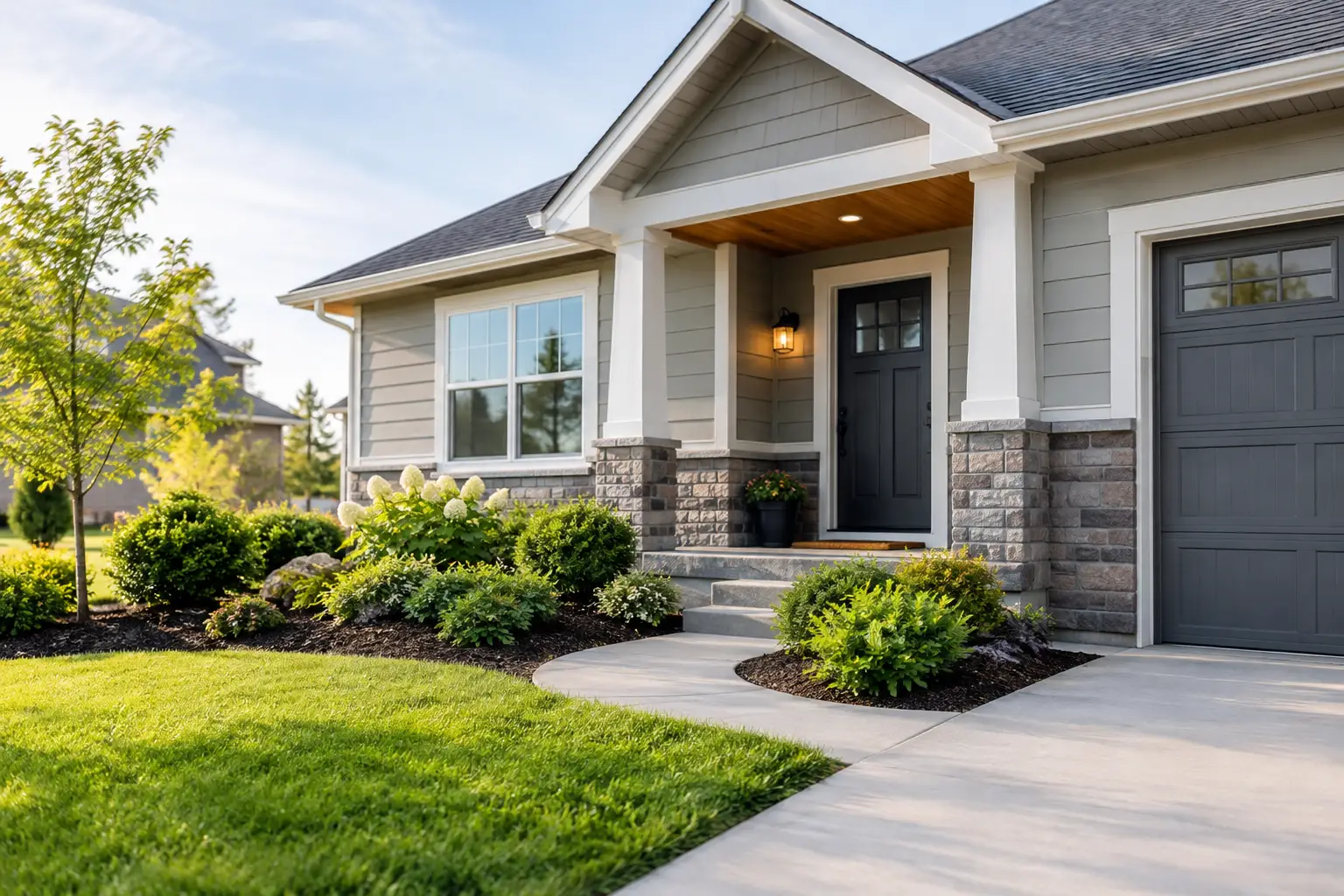
A prospective tenant can decide how they feel about a rental before they reach the front door. A stained driveway, overgrown shrubs, loose gutter, or dark entryway signals deferred maintenance. The best exterior upgrades for rentals address that first impression while also preventing the water damage, safety complaints, and turnover delays that cost owners real money.
For owners in Ocala and throughout Marion County, the right priorities are shaped by heat, humidity, heavy rain, pests, and long growing seasons. A project that looks good for one showing but creates a larger maintenance burden is not an upgrade. Focus on work that protects the property, makes the home easier to rent, and can be maintained without chasing multiple contractors.
Start With the Problems Tenants Notice First
Exterior work should not begin with a color swatch. Start with a walk-around inspection after rain if possible. Look at the route from the street to the front door, the condition of exterior walls and trim, drainage around the foundation, gutters, exterior lighting, fencing, and the yard's overall condition.
This approach separates cosmetic wants from operational needs. Fresh paint is valuable, but not if rotten fascia is still allowing water into the structure. Attractive landscaping helps, but not if tree limbs are scraping the roof or blocking the HVAC unit. Handle damage, safety issues, and water control first. Then spend on the upgrades that help the property photograph well and show well.
The Best Exterior Upgrades for Rentals
1. Correct drainage and gutter problems
Water management is one of the highest-value exterior investments because it prevents expensive problems that tenants may never see until they become emergencies. Clean, secure gutters and properly placed downspouts move water away from the roofline, walls, walkways, and foundation. Grading low spots, extending downspouts, and repairing damaged splash areas can make a major difference during Florida's heavy rain.
Pay special attention to water collecting near exterior doors, patios, sidewalks, and HVAC equipment. Standing water creates slip hazards, pest activity, muddy entrances, and erosion. It can also leave tenants frustrated when every storm turns the front walk into a puddle.
Not every property needs a large drainage installation. Sometimes gutter repairs and modest grading solve the issue. The key is to diagnose the water path rather than covering the symptoms with mulch or gravel.
2. Refresh paint, trim, and the front entry
A clean exterior paint job changes the perceived condition of a rental faster than almost any other visible upgrade. It protects siding, stucco, wood trim, and fascia from moisture while making listing photos look current. Neutral, durable colors usually work better than highly personal choices because they appeal to more applicants and are easier to match during future touch-ups.
Do not paint over failing surfaces. Repair soft wood, damaged trim, loose caulk, and peeling areas first. On a tight budget, prioritizing the front elevation, entry door, trim, shutters, and visible fascia can improve curb appeal while a full repaint is planned for later.
The entry door deserves extra attention. A solid, well-painted door with working hardware, an easy-to-read address number, and a clean threshold makes the home feel secure and cared for. If the door is warped, difficult to lock, or badly weathered, replacement may be the better long-term call.
3. Improve exterior lighting for safety and showings
Dark walkways and entryways create unnecessary risk. Reliable exterior lighting helps tenants get in safely, supports security, and makes evening showings easier. Start at the front door, driveway, parking area, side gates, and paths leading to trash bins or shared amenities.
LED fixtures are generally a smart rental choice because they use less energy and require fewer bulb changes. Motion-activated lighting can work well near side yards and rear entries, while a dusk-to-dawn fixture is often practical for common areas. Choose weather-rated fixtures and confirm that switches, photocells, and wiring are functioning properly.
There is a balance to maintain. Overly bright lights aimed at neighboring homes can create complaints, and decorative fixtures with specialty bulbs can become a recurring maintenance headache. Simple, durable fixtures are easier to replace across a portfolio.
4. Upgrade landscaping for low-maintenance curb appeal
Landscaping should frame the property, not become a weekly problem. Trimmed shrubs, edged beds, healthy grass, and clear pathways make a rental feel move-in ready. In Central Florida, low-maintenance plant choices and adequate mulch can reduce the constant cycle of overgrowth and replacement.
Keep plantings away from siding and windows. Dense vegetation traps moisture, hides pests, and makes inspections more difficult. Trees should be evaluated for limbs over the roof, dead branches, and interference with service lines. Clear access to electrical panels, hose bibs, HVAC units, and utility meters also saves time when repairs are needed.
Avoid building a landscape plan around plants that need daily attention or extensive seasonal replacement. A modest, clean design holds up better through turnovers and is less likely to look neglected when a tenant moves out.
5. Repair or replace damaged walkways, steps, and railings
Loose pavers, uneven concrete, cracked steps, and unstable railings are not just cosmetic defects. They are safety concerns that can lead to tenant injuries, liability exposure, and failed inspections. Address trip hazards before putting money into decorative upgrades.
Concrete repair or replacement may be necessary when settling creates significant height differences or drainage problems. For smaller areas, cleaning, sealing, and repairing visible cracks can improve appearance and slow further deterioration. Handrails should be secure, properly positioned, and checked whenever steps or raised decks are part of the property.
A safe, direct path from parking to the entry is particularly valuable for families, older residents, and tenants moving furniture. It also makes the home feel easier to live in from the first visit.
6. Secure fencing, gates, and exterior storage
A damaged fence can make an otherwise well-maintained rental look neglected. It may also create privacy concerns, allow pets to escape, or trigger disputes with neighbors. Repair leaning posts, broken pickets, loose gate latches, and sections affected by storm damage before they become a larger replacement project.
Fence replacement is not always the best first move. If the structure is sound, targeted repairs, pressure washing, and staining may extend its useful life. Replacement makes more sense when repeated repairs are adding up, the fence no longer provides privacy, or the material is deteriorating across multiple sections.
If the property includes sheds, exterior closets, or screened utility spaces, make sure locks, doors, and roofs are in usable condition. Owners should decide clearly whether these spaces are tenant-accessible and document that decision in the lease and move-in condition report.
7. Maintain the roofline and exterior systems
The roof, soffit, fascia, vents, siding, and exterior HVAC equipment are easy to overlook because they are not always at eye level. Yet small issues in these areas often become expensive repair calls. Loose soffit panels can invite pests. Damaged fascia can signal ongoing water exposure. Blocked dryer vents and overgrown vegetation around condensers can affect system performance.
During routine exterior maintenance, inspect for missing shingles, damaged flashing, staining, loose screens, cracked vent covers, and pest entry points. Keep shrubs and debris clear of the outdoor HVAC unit so it has room to operate and technicians can service it safely.
Some work requires licensed professionals, especially electrical repairs, HVAC service, and substantial roofing issues. The benefit of a single accountable maintenance team is not simply convenience. It means findings can be documented, repairs can be coordinated, and the owner does not have to manage separate schedules for every trade.
Choose Projects by Risk, Return, and Turnover Timing
The most attractive upgrade is not always the most urgent one. A practical order is to fix water intrusion, electrical or trip hazards, structural damage, and security concerns first. Next, address items that affect tenant comfort and daily use, such as lighting, gates, drainage, and clear walkways. Cosmetic work follows, with paint and landscaping often delivering the strongest visual return.
Timing matters as much as scope. Major exterior work is easiest between tenants, when crews have access and owners can avoid disrupting a resident. Smaller repairs, trimming, gutter service, pressure washing, and lighting upgrades can often be completed during occupancy with clear communication and proper scheduling.
Before approving work, ask for a defined scope, expected timeline, photos of the issue, and completion documentation. This is especially useful for remote owners and multi-property portfolios. Good documentation supports owner decisions, helps establish turnover condition, and shows that repairs were completed rather than merely scheduled.
Exterior improvements should reduce future friction, not add another item to your call list. Whether the property needs a quick curb-appeal reset or a coordinated make-ready plan, R&M Services can help owners move from a punch list to a rent-ready exterior without managing the work one contractor at a time.
The next time you walk a vacant unit, pause at the street before going inside. The exterior will usually tell you what needs attention first, and fixing those visible warnings early is how a rental stays protected, marketable, and ready for the next tenant.