A leaking supply line at 10 p.m. is not the time for a tenant to wonder whether they should text, call, email, or wait until morning. How tenants report maintenance directly affects repair costs, resident safety, owner liability, and whether a small issue becomes an expensive after-hours problem.
For rental owners, the goal is not simply to receive maintenance requests. It is to receive the right information through a clear channel, quickly enough to make a sound decision. A dependable reporting process removes guesswork for tenants and stops owners from spending their evenings chasing details, vendors, and updates.
How Tenants Report Maintenance Effectively
A tenant should report a maintenance issue as soon as they notice it, using the communication method listed in the lease or resident instructions. That may be an online portal, a dedicated maintenance phone number, email, or a property-management app. The method matters because it creates a record of when the issue was reported and what the tenant observed.
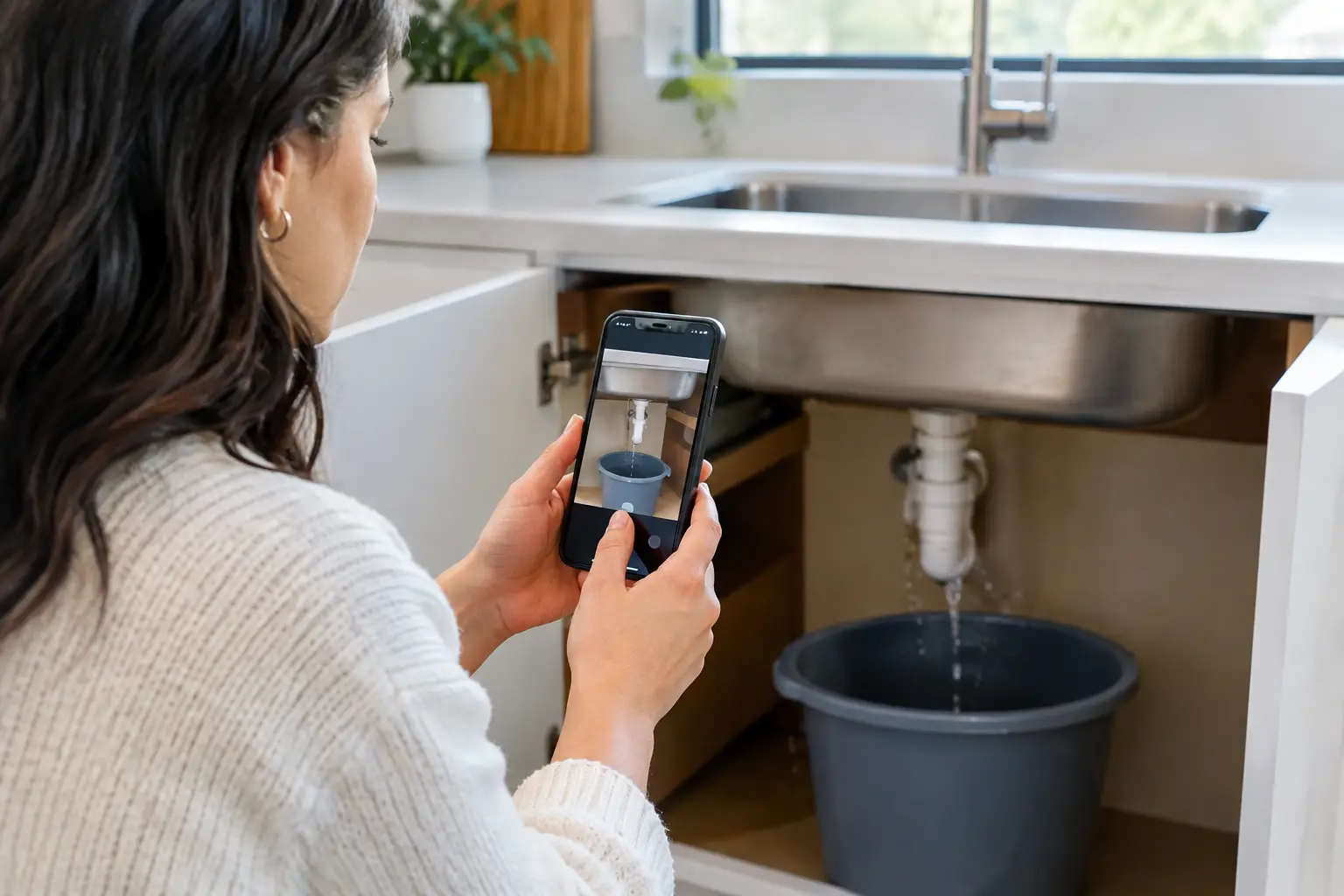
The request should state the property address and unit number, the problem, when it began, and whether the condition is getting worse. A useful report might say, "Water is leaking from the pipe under the kitchen sink. It started this afternoon, the cabinet is wet, and water continues to drip when the faucet is off." That gives the maintenance team a workable starting point.
Vague messages slow everyone down. "The sink is broken" could mean a clogged drain, a damaged disposal, no hot water, a loose faucet, or an active leak. Asking a few extra questions at the beginning is faster than dispatching the wrong trade or making two trips to the property.
Photos and short videos are often helpful, especially for water damage, appliance issues, exterior damage, pest entry points, and visible electrical concerns. They do not replace an inspection, but they can help a technician arrive prepared with likely parts and equipment. Tenants should never take photos in a way that puts them at risk, such as climbing on a roof, entering a flooded area, or opening an electrical panel.
Separate Routine Requests From Emergencies
Not every repair requires an immediate response, but every request deserves acknowledgment and a documented plan. Clear definitions keep tenants from waiting too long on serious conditions while helping maintenance teams prioritize correctly.
Routine maintenance requests
Routine requests are problems that need repair but do not create an immediate threat to people or major property damage. Examples include a dripping faucet, a loose cabinet hinge, a malfunctioning burner, a slow drain, a torn screen, or a nonworking bedroom ceiling fan. These should still be reported promptly. A slow drain can become a backup, and a minor plumbing leak can damage cabinetry, flooring, and walls if ignored.
For a routine issue, tenants should submit the request through the designated system and allow reasonable access for the repair. Owners should acknowledge the report, explain the next step, and provide an expected scheduling window when possible. Silence is where frustration starts. Even when a part must be ordered, a simple update tells the resident the issue has not been forgotten.
Emergency maintenance requests
Emergency requests involve an immediate risk to health, safety, security, or the structure. Active flooding, a burst pipe, sewage backup, smoke or a burning smell, sparking outlets, loss of power affecting critical systems, no air conditioning during dangerous heat, gas odor, a break-in, or an exterior door that will not secure are examples that require urgent attention.
In a true emergency, tenants should call the emergency maintenance number rather than relying only on an online request. If there is fire, suspected gas danger, a medical emergency, or an immediate threat to life, they should call 911 first. Maintenance teams can address the property problem, but emergency services come before a repair dispatch.
Tenants can also take reasonable steps to limit damage if it is safe. That may mean shutting off water at a fixture, moving personal items away from a leak, placing a container under a drip, or turning off a tripped appliance. They should not attempt plumbing repairs, electrical work, roof work, or any fix that could cause injury or make the damage worse.
What a Strong Maintenance Request Process Looks Like
A property does not need a complicated system to handle maintenance well. It needs one process that residents understand and staff follow every time. The best systems establish a clear path from report to completed work.
First, give tenants written instructions when they move in. The instructions should identify the normal request channel, the after-hours emergency number, examples of urgent situations, and basic steps tenants can take safely while waiting. Put the same instructions in a place residents can find later, not only in a move-in packet that gets buried in a drawer.
Second, capture enough information at intake. A request form or dispatcher should ask for the resident's contact information, unit number, problem description, timing, photos if available, whether there is active damage, and permission to enter if the resident is away. For occupied rentals, access details are often the difference between a same-day repair and a costly delay.
Third, assign responsibility. Someone must own the request until it is closed. That includes scheduling the right technician, communicating with the tenant, confirming work completion, documenting repairs, and escalating problems that require owner approval or a larger project. A request should not disappear because one contractor says another trade is needed.
Finally, document the outcome. Notes, before-and-after photos where appropriate, invoices, and tenant communication create a useful service history. This record helps owners spot recurring problems, evaluate whether a repair is holding, plan capital improvements, and show that reported issues were handled responsibly.
Why Fast Reporting Protects Rental Income
Delayed reporting is expensive because building problems rarely stay still. A toilet that runs constantly can increase utility costs. A small roof leak can lead to stained ceilings, damaged insulation, mold concerns, and an insurance claim. An air-conditioning problem in Marion County can quickly become a habitability and resident-retention issue during a Florida summer.
Owners should encourage early reporting without making tenants feel blamed for every problem. Residents are more likely to report concerns when they know they will be heard, kept informed, and treated respectfully. They are less likely to report quickly if past requests were ignored or if the process requires them to contact several different people.
That is why a single point of responsibility matters. Rather than asking an owner to coordinate a plumber, electrician, HVAC company, and handyman separately, a full-service maintenance team can assess the issue, bring in the appropriate trade, and keep the owner informed. R&M Services uses this accountable approach to help property owners avoid the familiar cycle of unanswered calls, incomplete repairs, and repeat visits.
Set Expectations for Access, Communication, and Timing
Maintenance can only move as fast as the information and access available. Tenants should provide a current phone number and respond promptly if a technician needs clarification. If pets are in the home, the tenant should disclose that in advance and follow property rules for securing them during service. If a resident cannot be present, the lease and local requirements should guide notice and entry procedures.
Owners and managers should avoid promising exact repair times before they understand the problem. Some requests can be resolved quickly. Others require diagnosing the cause, ordering a part, obtaining approval, coordinating a specialty contractor, or addressing a broader condition such as hidden water damage. Clear, honest updates are better than promises that cannot be kept.
Communication should continue after the initial report. A tenant needs to know that the request was received, whether it is considered routine or urgent, who will contact them, and what to do if conditions worsen. After service, a brief confirmation gives the tenant a chance to report any remaining concern before a small problem becomes a return visit.
Common Reporting Mistakes to Avoid
Texting a personal number may feel convenient, but it can create gaps when that person is unavailable, changes roles, or overlooks the message. Similarly, mentioning a repair casually during rent collection or in a social media message does not create a reliable maintenance record. Direct tenants to the designated channel every time, even when the request seems minor.
Another mistake is asking tenants to diagnose the issue. They should describe what they see, hear, smell, or experience, but they do not need to determine whether the problem is a failed capacitor, a broken shutoff valve, or a damaged drain line. Good intake questions collect facts without placing technical responsibility on the resident.
The final mistake is closing the request too soon. A technician visit is not always the same as a completed repair. If a temporary repair was made, a part is on order, or a larger repair needs approval, the request should remain active and communicated until the property is functioning as intended.
A clear reporting process gives tenants confidence to speak up early and gives owners control over what happens next. When the right team receives the right details and follows through with documented repairs, maintenance stops being a source of constant interruption and becomes part of protecting the property every day.