A tenant moves out, the unit needs attention, and the deposit question lands on your desk: is that stained carpet normal use, or tenant damage? A clear normal wear definition helps landlords make fair decisions, avoid preventable disputes, and get a property rent-ready without losing more time to vacancy.
For owners, the practical distinction is simple. Normal wear is the gradual decline that happens when people use a home as intended. Damage is deterioration caused by abuse, neglect, misuse, accidents, or unauthorized alterations. The hard part is that the line is not always obvious, especially after a long tenancy or in a Florida rental exposed to humidity, heavy rain, and constant air-conditioning use.
What Is the Normal Wear Definition?
Normal wear, often called ordinary wear and tear, is the expected aging of a rental property through reasonable everyday use. Paint fades, carpet traffic patterns develop, cabinet hardware loosens, and appliances eventually reach the end of their useful life. Those costs generally belong to the owner because they are part of operating and preserving a rental property.
Tenant damage goes beyond ordinary use. It usually involves a specific action or failure to act that leaves the property in worse condition than reasonable use would cause. A broken interior door, large holes in drywall, pet urine soaked into flooring, missing smoke detectors, or a deliberately damaged appliance are common examples.
The condition of the item before move-in matters. So does its age, expected lifespan, the length of the tenancy, and the quality of the documentation. A three-year-old carpet with mild traffic wear is different from a new carpet with burn marks. A fading exterior finish is different from a tenant painting a bedroom black without approval and leaving the work incomplete.
Normal Wear vs. Tenant Damage: Real-World Examples
A workable normal wear definition needs real examples, not vague labels on a move-out checklist. Use these distinctions as a starting point, then evaluate the facts for each unit.
Paint, walls, and fixtures
Minor scuffs, small nail holes from ordinary picture hanging, and faded paint are usually normal wear. Homes need periodic repainting, particularly between longer tenancies.
Large holes, excessive nail holes, crayon or marker drawings, smoke staining, or unauthorized paint colors may be chargeable damage. The question is whether the wall needs routine turnover touch-up or additional repair because of the tenant's actions.
Flooring and carpet
Flattened carpet in walkways, light fading, and modest wear after normal occupancy are expected. A floor will not look new forever, and charging a tenant for complete replacement simply because a carpet is older can create a dispute.
Deep scratches from dragging furniture, torn vinyl, burns, pet damage, and stains that cannot be professionally removed are different. Even then, replacement is not always a full tenant charge. If flooring was already near the end of its useful life, the owner should account for depreciation instead of billing the resident for a brand-new replacement.
Appliances and systems
An appliance that quits because of age or a component failure is generally an owner maintenance item. The same applies to an HVAC system that needs service because of normal mechanical wear, a leaking faucet with a worn cartridge, or a garbage disposal that fails after years of use.
Damage may be present when there are signs of misuse: an appliance door forced off its hinges, a refrigerator shelf broken by excessive weight, or a disposal jammed by items it was not designed to handle. With HVAC, a filthy filter alone does not prove tenant liability, but documented failure to replace filters when required can contribute to avoidable system problems.
Bathrooms, kitchens, and plumbing
Aging caulk, worn grout, a loose cabinet pull, and ordinary mineral buildup are common turnover items. In Central Florida, hard water and humidity can speed up wear in bathrooms and kitchens, so context matters.
A cracked toilet tank, missing cabinet doors, a drain clogged by an object, or water damage caused by an unreported leak may be tenant-caused damage. The key issue is whether the resident reported the problem promptly and used the fixture normally. A small leak that goes unreported for weeks can turn a straightforward plumbing repair into damaged cabinets, flooring, and drywall.
Why the Difference Matters for Deposits
Security deposits are not a replacement fund for every item that looks used at move-out. They are intended to protect the owner from legitimate financial loss, including unpaid rent, cleaning beyond ordinary use, and repair of tenant-caused damage when supported by the lease and applicable requirements.
Florida landlords should be careful here. Florida law sets procedures and deadlines for handling security deposits and making claims, but it does not provide a one-line formula that settles every normal wear dispute. Lease terms, property condition, documentation, invoices, and the specific circumstances all matter. When a situation is contested or involves a significant claim, get advice from a qualified Florida attorney or property management professional familiar with the current rules.
The operational goal is not to "win" a deposit deduction. It is to make a fair, documented decision that can be explained clearly. That protects the owner, treats tenants consistently, and reduces the odds that a move-out disagreement becomes a time-consuming problem.
Documentation Makes the Decision Easier
Most deposit disputes begin long before move-out. They start with weak records at move-in, rushed inspections, or work orders that do not show when a problem was reported and repaired.
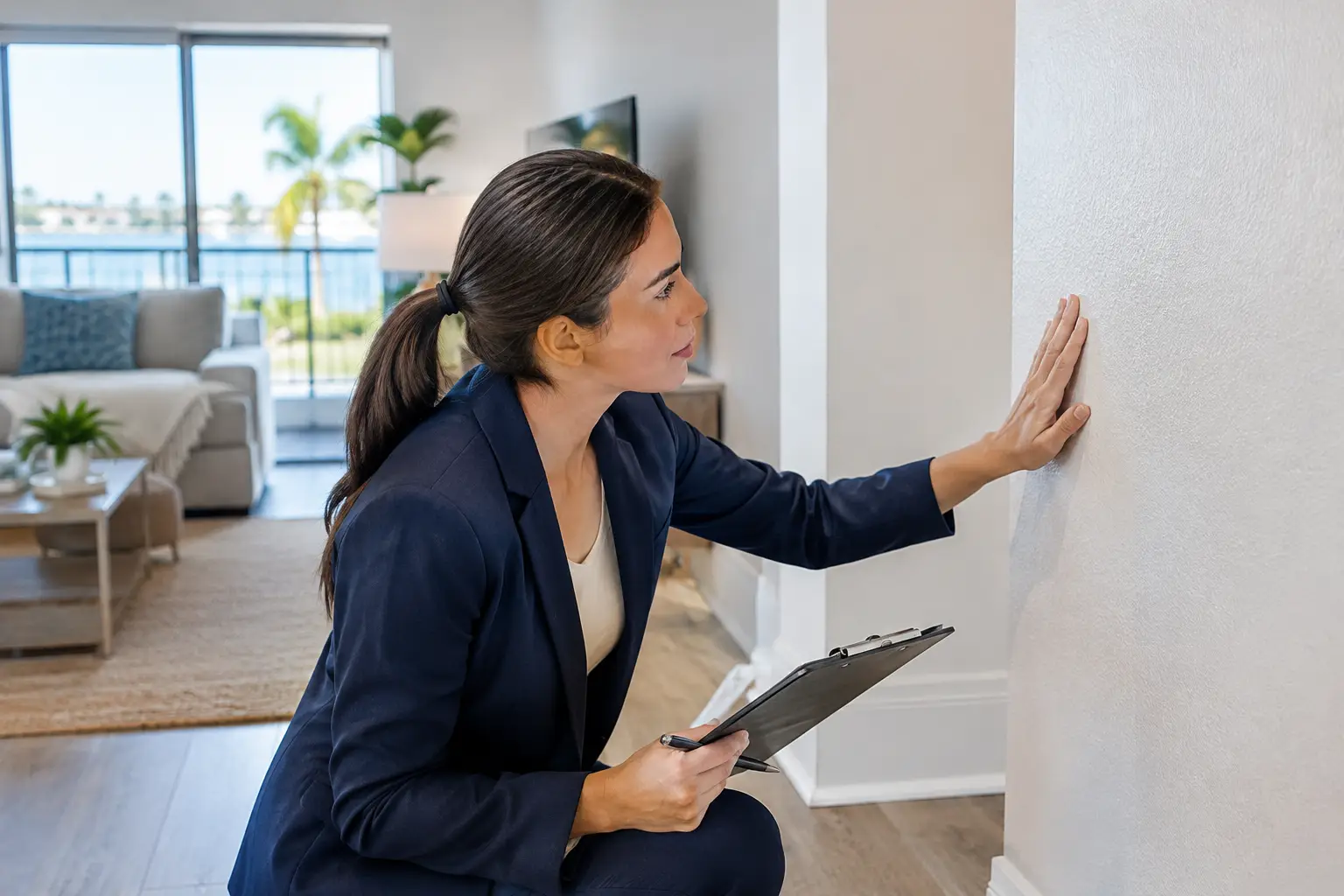
A consistent process gives you facts instead of guesswork. At move-in, record the condition of every room with dated photos or video, a signed checklist, and notes on existing flaws. Do the same at move-out, using similar angles so differences are easy to see. Photos should be clear enough to show location and scale, not just close-ups of a mark or stain.
Keep maintenance records throughout the tenancy. If a tenant reports a leak quickly and you repair it, that record supports the fact that they acted responsibly. If repeated notices document unauthorized pets, damaged blinds, or missed access for needed repairs, those records add important context.
For larger repair charges, retain invoices, estimates, and before-and-after photos. Itemize the actual work performed rather than using broad descriptions such as "damage fee." Clear documentation is easier for a tenant to understand and easier for an owner to defend if questions arise.
Use a Fair Turnover Standard
The fastest way to create inconsistency is to judge each move-out by whether the unit looks brand-new. Rentals are working assets. They need paint, cleaning, preventive maintenance, and periodic replacement to stay competitive and protect rental income.
Set a written turnover standard for your portfolio. Define what is cleaned as routine, what receives touch-up or replacement as normal ownership expense, and what conditions require a damage review. Apply the same standard across comparable units. This is especially useful for owners with multiple homes, condos, or commercial spaces where different people may be handling inspections.
A practical review should ask four questions: Was the item usable and in good condition at move-in? Has it reached the expected end of its service life? Did ordinary use cause the issue? Is the proposed charge limited to the reasonable cost of restoring the condition, rather than improving the property?
Those questions prevent two costly mistakes. The first is absorbing obvious damage because no one documented it. The second is overcharging for ordinary aging, which can invite disputes and damage the relationship with otherwise responsible residents.
Prevent Wear From Becoming Expensive Damage
Normal wear cannot be eliminated, but neglected maintenance can make it much more expensive. Small repairs should not sit for months because coordinating separate vendors is a headache. A dripping supply line, loose toilet, failing exhaust fan, or HVAC issue can quickly affect finishes, indoor comfort, and tenant satisfaction.
Regular inspections, prompt work orders, seasonal HVAC service, plumbing checks, and exterior maintenance protect the property before a minor issue spreads. They also show tenants that reporting a problem is worthwhile. That matters because early reporting often separates a routine owner repair from substantial water or mold-related remediation.
For turnover work, schedule the inspection as soon as possession changes hands. Document first, then organize cleaning, repairs, paint touch-ups, landscaping, appliance service, and safety checks in the right order. A single accountable maintenance team can shorten that gap between move-out and the next qualified applicant.
R&M Services helps Marion County owners document property conditions, coordinate repairs, and turn units quickly without chasing multiple contractors. The better your records and maintenance response, the less often "normal wear" becomes an expensive argument.