A slow kitchen sink during a routine inspection can turn into a flooded cabinet, an after-hours tenant call, and a repair that disrupts the unit. That is why knowing how landlords prevent drain clogs is less about buying a bottle of cleaner and more about running a consistent maintenance process. The goal is simple: catch buildup early, set clear expectations, and send the right person when a drain starts showing warning signs.
For rental owners, drain care protects more than plumbing. It helps prevent water damage, keeps tenants comfortable, limits emergency calls, and avoids the vacancy delays that follow a major backup. A practical plan also gives owners documentation showing what was inspected, what was repaired, and when tenants were notified.
How Landlords Prevent Drain Clogs Before They Start
Most clogs build gradually. Grease sticks to kitchen drain walls, soap residue and hair collect in bathroom lines, and flushable wipes create problems long after they disappear from sight. A drain may still empty for weeks or months while the restriction grows inside the pipe.
The most effective prevention plan addresses both resident habits and the condition of the plumbing system. Landlords cannot control every item that goes down a drain, but they can make the correct habits easy to understand and respond before a partial clog becomes a full blockage.
Start with clear tenant instructions
Tenants should receive simple drain-use guidance when they move in, not only after something backs up. Keep the language practical. Kitchen sinks are not for cooking oil, grease, coffee grounds, rice, pasta, eggshells, or food scraps that a disposal cannot handle. Bathroom drains need hair catchers, and toilets should receive only toilet paper and waste.
This is especially useful in properties with garbage disposals. A disposal does not make every food item safe for the plumbing. Grease remains grease after it is ground up, and fibrous or starchy foods can still contribute to blockages.
Include this guidance in the move-in packet, lease addendum, or resident portal. It should also explain what tenants should do when they notice slow drainage: submit a maintenance request promptly rather than repeatedly using chemical drain opener. Early reporting gives the maintenance team a chance to clear a trap or branch line before water reaches the floor.
Install inexpensive first-line protection
A few low-cost items can reduce the material entering the drain. Mesh strainers in kitchen sinks catch food particles, while hair catchers in showers and tubs stop hair before it reaches the trap. Sink stoppers and strainers should be easy for tenants to remove and clean, or they will often be discarded.
In multi-unit properties, these small measures matter even more. One unit's habits can affect a shared branch line, and a blockage in that line can create complaints in more than one apartment. A modest preventive supply at turnover is usually less expensive than an emergency drain call.
Make drain checks part of every inspection
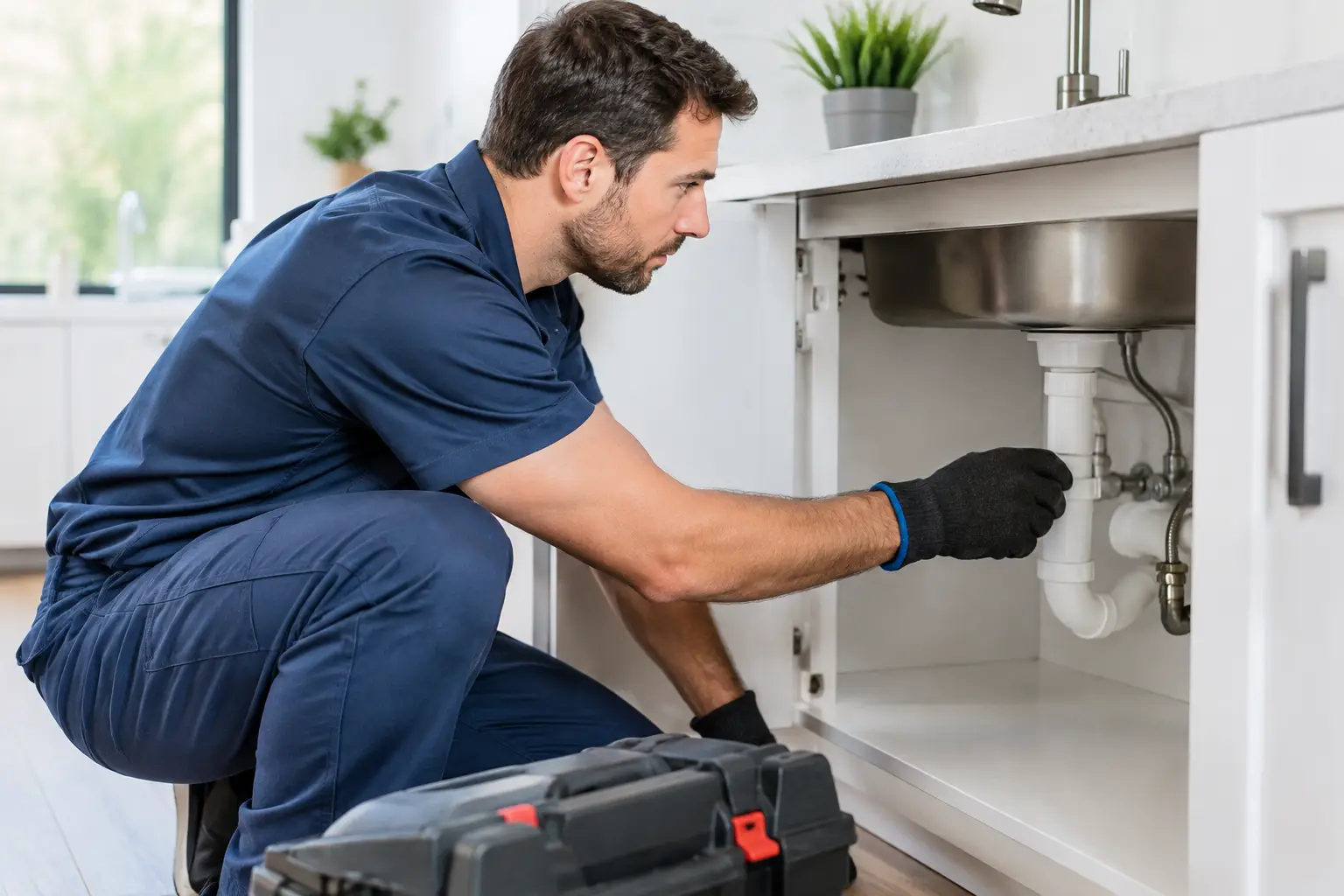
A landlord does not need to wait for a complaint to spot a developing issue. During scheduled property inspections, turnover walks, and make-ready work, run water at each sink, tub, and shower long enough to observe how it drains. Flush toilets, check for gurgling, and look inside sink cabinets for moisture, staining, corrosion, or a sewer odor.
Pay attention when several fixtures drain slowly or make noise at the same time. That can point to a restriction farther down the line rather than a simple hair clog at one fixture. A single slow bathroom sink may be a straightforward cleanup. A toilet that bubbles when the shower drains needs faster professional evaluation.
Document the result with photos and notes. For owners with several rentals, this creates a service history that helps identify repeat issues, recurring tenant concerns, and units with aging plumbing that need a larger repair plan.
Focus on the Drains That Cause the Most Calls
Every rental is different, but most drain service requests begin in the kitchen, bathroom, laundry area, or main sewer line. Each needs a slightly different approach.
Kitchen drains need grease control
Kitchen clogs often build as grease combines with food residue. Pouring hot water after grease may move it farther down the pipe, but it does not remove the problem. As the grease cools, it can solidify on the pipe walls and trap other debris.
Provide tenants with a grease can or a clear method for disposing of cooled cooking oil. During turnovers, clean accessible strainers and inspect the disposal if one is installed. If a kitchen drain is repeatedly slow, have the line properly cleared rather than relying on repeated chemical treatments that may not solve the buildup.
Bathroom drains need hair and soap management
Hair is the usual culprit in tubs and showers, particularly where several residents share one bathroom. Cleaning the drain stopper and removing visible hair during routine maintenance can prevent many service calls. Soap residue, toothpaste, and grooming products can also narrow older pipes over time.
A bathroom drain that has become slow once or twice may respond to cleaning the stopper and trap. Frequent backups, standing water, or a bad odor may signal a deeper obstruction. At that point, the cost-saving move is diagnosis, not another temporary fix.
Toilets need firm rules and quick response
Toilet clogs become expensive when tenants keep flushing after the bowl starts to rise. Clear reporting instructions help prevent an overflow from becoming damaged flooring, drywall, or a ceiling repair in the unit below.
Landlords should also be specific about wipes. Products marketed as flushable can still cause real problems in rental plumbing and municipal sewer systems. Put "no wipes" guidance in writing and consider a small bathroom reminder during move-in. It is not glamorous, but it prevents a common and avoidable emergency.
Laundry and utility drains should not be overlooked
Lint, detergent residue, and sediment can restrict laundry drains. Check that washer discharge hoses are properly secured and that the standpipe drains freely. In properties with older plumbing, laundry discharge can expose a weak or partially blocked line faster than a bathroom sink will.
Exterior and utility drains deserve attention too. Florida rain can expose drainage problems quickly, especially around patios, walkways, and low-lying entries. While these drains are different from interior plumbing, keeping them clear reduces standing water and helps protect the property during heavy storms.
Avoid the "Quick Fix" That Creates a Bigger Problem
Chemical drain cleaners are tempting because they are inexpensive and available everywhere. They also have limits. Strong chemicals can be hazardous for tenants, may damage certain pipes or fittings, and can create risk for the technician who later opens the line. They are particularly poor choices when the drain is fully blocked and the product remains sitting in the pipe.
A plunger is appropriate for many simple toilet clogs, and a hand tool may remove hair from an accessible tub drain. Beyond that, landlords should be cautious. Forcing cables through old lines without knowing the pipe condition can damage a weak connection. Repeatedly treating the same drain without finding the cause can waste money while the real problem grows.
The right response depends on the symptom. A single slow fixture may need a trap cleaning or localized drain clearing. Multiple slow fixtures, recurring backups, sewage odor, or water appearing in an unexpected location may require professional drain cleaning, camera inspection, or repair of a damaged line. Roots, pipe scale, shifted pipes, and failed sewer connections are not tenant-maintenance issues, and they will not be solved with a bottle from the store.
Build a Response Process Tenants Will Actually Use
Good prevention includes a clear path for reporting. Tenants should know who to contact, what information to provide, and when a drain issue is urgent. Ask for the affected fixture, when the problem started, whether other drains are slow, and whether water has overflowed. A photo or short video can help a maintenance team arrive prepared.
For owners, the key is follow-through. Respond to a drain complaint before it becomes a leak claim or a tenant frustration issue. Confirm the appointment, complete the work, and document what was found. If misuse contributed to the blockage, handle the discussion consistently with the lease and local requirements. If the plumbing system is at fault, address it without putting the burden on the resident.
This is where one accountable local maintenance team makes a difference. R&M Services can coordinate inspection, drain service, repairs, tenant communication, and documented completion so owners are not chasing separate vendors while a unit is out of commission.
Use Turnovers to Reset the Plumbing
Tenant turnover is the best time to deal with drains that have been ignored during occupancy. Before the next resident moves in, test every fixture, clean visible stoppers and strainers, check under-sink connections, and address recurring drainage concerns. If a unit has a history of backups, schedule a deeper evaluation while the property is vacant rather than gambling on a problem-free move-in.
This approach does involve a trade-off. Preventive cleaning and inspection add a small cost to the turnover scope. But an active unit is the most expensive time to discover a failing drain line, especially when the repair affects flooring, cabinets, tenant schedules, or a neighboring unit.
A well-run drain plan does not require constant owner attention. It requires clear rules, regular checks, quick reporting, and a maintenance partner who treats a slow drain as a property-protection issue before it becomes an emergency. Put those habits in place now, and the next inspection is far more likely to end with a working faucet instead of a water damage claim.