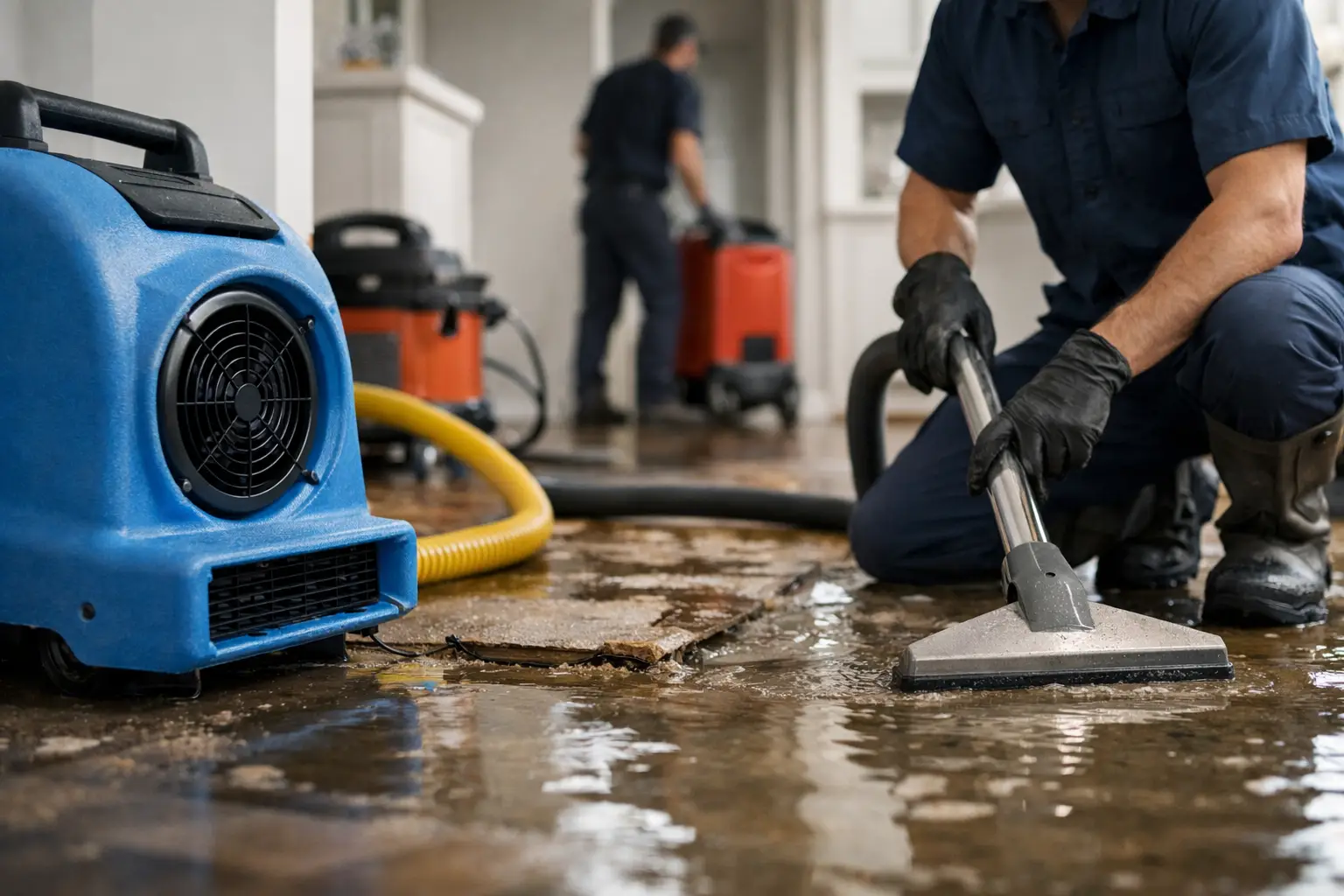

A tenant calls at 11:30 p.m. because water is coming through the ceiling. At that moment, emergency repair ratings are more than a star average on a screen. They are one of the few signals an owner has about whether a contractor will answer, control the damage, communicate clearly, and finish the repair instead of leaving a bigger problem behind.
For rental owners, HOA boards, commercial property managers, and vacation-rental operators, a five-star rating alone is not enough. Emergency work is judged under different conditions than a planned faucet replacement or a scheduled landscaping visit. The right provider must be available when the problem happens, make sound decisions quickly, and document what was done so the owner is not left guessing.
Why emergency ratings deserve a closer look
An emergency repair has two jobs. The first is to protect people and property immediately. The second is to restore the property correctly without creating unnecessary cost, downtime, or confusion.
That distinction matters. A contractor may receive positive reviews for friendly service and fair pricing on routine jobs, yet have little evidence of handling after-hours leaks, HVAC failures in summer, electrical hazards, storm damage, or a backed-up sewer line. Owners need to know how a provider performs when access is limited, tenants are stressed, and damage can spread by the minute.
A useful rating reflects the complete response, not simply whether the technician arrived. Did someone answer the phone? Was the caller given a realistic arrival window? Did the team identify and stop the immediate issue? Were photos, findings, and next steps provided? Did the provider return to complete permanent repairs if a temporary measure was necessary?
Those are the details that protect rental income and reduce repeat calls.
How to read emergency repair ratings beyond the stars
Start with the written reviews, especially those that mention an urgent problem. Look for specific language such as "arrived after hours," "stopped the leak," "kept us informed," or "sent photos before and after." Specific details are more useful than broad comments like "great company" because they show what the customer actually experienced.
Timing is another factor. Older reviews can show a company has been established for years, but recent reviews tell you more about current staffing, communication, and service standards. A provider that earned excellent feedback three years ago may not have the same availability today. Consistent recent comments about responsiveness carry more weight than a large number of outdated ratings.
Also pay attention to how the business responds when a review is less than positive. No contractor can prevent every delay, parts issue, weather interruption, or misunderstanding. What matters is whether the provider addresses the concern professionally, explains the resolution, and takes responsibility where appropriate. Defensive or dismissive responses are a warning sign, particularly for owners who need a dependable long-term maintenance partner.
Look for patterns, not isolated complaints
One negative review does not automatically mean a company is unreliable. Emergency service is unpredictable, and even a strong team may encounter a situation involving a difficult-to-source part, unsafe conditions, or additional damage hidden behind a wall or ceiling.
The concern is repetition. If several reviews mention no-shows, unanswered calls, surprise charges, poor cleanup, or repairs that failed soon after completion, treat that as a pattern. The same applies to positive themes. Repeated praise for fast dispatch, clear updates, clean work areas, and thorough follow-up suggests the company has a process, not just occasional good luck.
For property owners, process matters. You should not have to manage a crisis from your phone while trying to determine who is coming, what they found, and whether the property is safe.
Separate response speed from repair quality
Fast arrival is valuable, but speed without judgment can be expensive. A technician who immediately replaces equipment or opens walls without proper diagnosis may solve one visible symptom while missing the actual cause.
The best emergency providers balance urgency with control. They should isolate a water leak, secure an electrical concern, stabilize a damaged area, or restore critical HVAC service as quickly as conditions allow. Then they should explain what caused the failure, what must happen next, and what the owner can expect in cost and timing.
In some cases, the right first visit is a temporary repair. For example, a roof leak during heavy rain may require immediate tarping or water diversion before a lasting repair can be completed safely. That is not poor service if the temporary work protects the building and the contractor schedules appropriate follow-up. It becomes a problem when the owner receives no documentation, no scope for the next phase, and no return plan.
The emergency repair rating questions owners should ask
Ratings are a starting point, not a substitute for vetting. Before assigning a provider to a rental home, retail space, office, or association property, ask direct operational questions.
Can a live person or on-call team be reached after hours? What types of situations qualify as emergencies? How quickly do they typically dispatch within the service area? Are technicians licensed and insured for the work they perform? Will the owner receive photos, notes, and an invoice that clearly explains the repair?
Ask how approval works when immediate action is needed. Most owners want reasonable spending limits established in advance so a technician can stop active damage without waiting for a callback at midnight. At the same time, the provider should know when to pause and request approval for larger repairs or replacement decisions.
For managed properties, it is also worth asking whether the company coordinates across trades. A plumbing leak can lead to drywall, flooring, electrical, mold-prevention, and cleaning needs. Calling five separate vendors adds delays and makes accountability harder to track. One local team that can coordinate the repair path is often worth more than the lowest individual service call.
What strong emergency repair performance looks like
A dependable emergency response is usually straightforward. The provider receives the request, confirms the basic issue and property access, and dispatches the appropriate person. On arrival, the technician makes the site safe, limits further damage, and evaluates the cause.
The owner or manager should then receive a clear update. That may include photos of the issue, the immediate action taken, a recommendation for permanent repairs, and any cost or approval needed to proceed. If a tenant is involved, clear communication should also set expectations without making promises that cannot be kept.
After the repair, the job should be documented and closed out properly. This is where many otherwise acceptable emergency vendors fall short. A vague invoice and a verbal assurance that the issue is "handled" do not give an owner much protection. Good records support maintenance planning, insurance discussions, tenant communication, and future property decisions.
At R&M Services, that means treating emergency work as part of the property's larger operating picture. The goal is not just to get through the call. It is to protect the asset, keep occupants informed, and make sure the owner knows what happened and what comes next.
When a lower rating may still be workable
There are situations where a provider with fewer reviews or a slightly lower average may still be a reasonable choice. A newer local company may not have years of online feedback but could offer the right licensing, insurance, availability, and direct accountability. Likewise, a company with a 4.5 average and detailed, credible reviews may be more trustworthy than one with a perfect score made up of short, generic comments.
The key is verification. Confirm the work they handle, ask about emergency dispatch procedures, and begin with a smaller non-emergency job if time allows. That gives you a chance to evaluate communication, punctuality, workmanship, and documentation before a real crisis forces the decision.
Build your emergency plan before the call comes
The best time to evaluate emergency repair ratings is before a pipe bursts or an air conditioner quits during a Florida heat wave. Keep an approved provider's contact information on file, establish spending and access procedures, and make sure tenants know where to report urgent maintenance issues.
A prepared owner does not eliminate emergencies. They eliminate the scramble that turns a manageable repair into property damage, vacancy, frustration, and lost time. Choose a team based on evidence of response, workmanship, and follow-through, then let that relationship do its job when the unexpected happens.