
A leaking restroom fixture, a failed rooftop HVAC unit, or a dark parking lot can disrupt business fast. A commercial maintenance planning guide gives property owners and managers a practical way to catch those problems early, assign responsibility, and keep repair decisions from becoming expensive emergencies.
For commercial properties in Ocala and throughout Marion County, maintenance planning also has to account for Florida heat, heavy rain, humidity, storm exposure, and constant wear from tenants, customers, and employees. The goal is not to eliminate every repair. It is to know what needs attention, when it needs it, and who will handle it before operations are interrupted.
Start With the Property, Not a Generic Checklist
A useful maintenance plan begins with an accurate picture of the building. Generic checklists can help, but an office, retail center, medical suite, warehouse, and mixed-use property do not carry the same risks or use their systems in the same way.
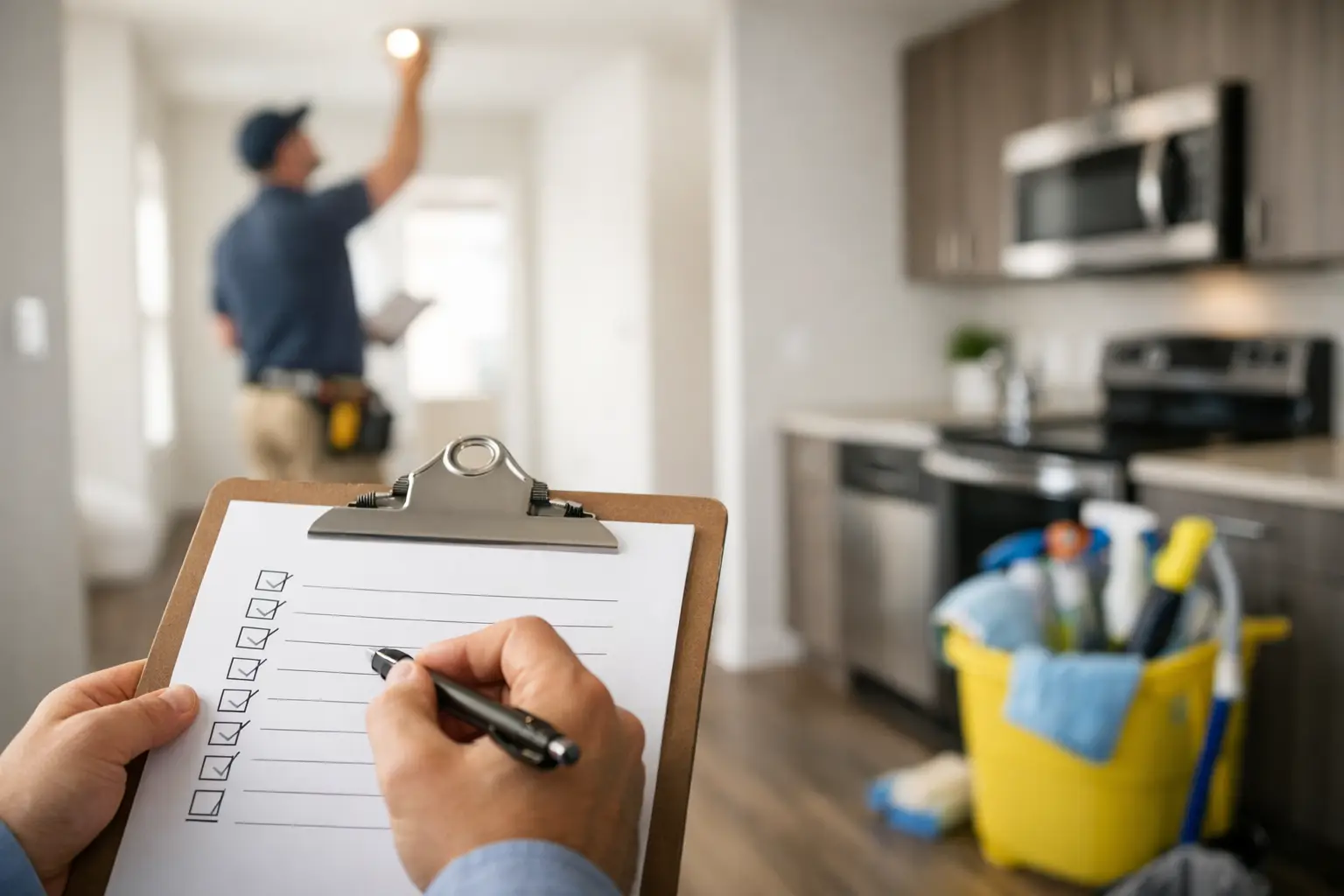
Walk the property and create an asset list. Include major systems such as HVAC equipment, electrical panels, plumbing fixtures, water heaters, roofing, doors, windows, lighting, exterior drainage, pavement, fencing, fire and life-safety equipment, appliances, and landscaping. Record the equipment age, location, service history, warranty details, and any recurring problems.
This step matters because recurring issues often get treated as separate repair tickets. A ceiling stain may be patched three times when the actual issue is a roof penetration, clogged drain line, or HVAC condensation problem. Good planning looks for the source, not just the visible symptom.
Separate Routine Work From Urgent Work
Every maintenance request should not receive the same response. Establish clear categories so tenants, staff, and vendors know what happens next.
Emergency work includes conditions that threaten safety, security, or major property damage. Examples include active water leaks, electrical hazards, no cooling during extreme heat, a broken exterior door that cannot be secured, sewage backups, and storm damage. These issues need immediate coordination, even after regular business hours.
Priority repairs are not always emergencies, but they can quickly affect operations or tenant satisfaction. A toilet that repeatedly clogs, a failing refrigerator in a food-service space, or an exterior light outage near an entrance belongs in this category. Routine work covers items such as minor wall repairs, door adjustments, touch-up painting, and noncritical fixture replacements.
Clear categories prevent two costly mistakes: overpaying for emergency service on ordinary work and waiting too long on a problem that should have been escalated.
Build a Commercial Maintenance Planning Guide Around Timing
The strongest commercial maintenance planning guide assigns tasks by frequency. It gives the property team a working calendar instead of a stack of reminders that only gets reviewed after something breaks.
Monthly and Quarterly Checks
Monthly checks should focus on high-use areas and issues that can worsen quickly. Inspect common-area lighting, restrooms, doors and locks, visible plumbing leaks, trip hazards, exterior trash areas, landscaping, and signs of water intrusion. Review open work orders as well. An unresolved repair is often a bigger risk than a new one.
Quarterly inspections are a good time to look more closely at systems that support daily operations. Test emergency lighting where applicable, inspect filters and condensate lines, review drainage around the building, check exterior caulking, and look for pavement or sidewalk damage. In Florida, clogged gutters and drains deserve regular attention. Water that cannot move away from the building will eventually find a weak point.
Seasonal and Annual Service
Schedule HVAC maintenance before the hottest part of the year. A system that is barely keeping up in spring is unlikely to improve during a Marion County summer. Preventive service can identify dirty coils, weak capacitors, airflow restrictions, refrigerant concerns, and drainage problems before a tenant calls about a hot suite.
Annual planning should include roof inspections, plumbing reviews, electrical evaluations, exterior pressure washing where appropriate, landscaping assessments, and life-safety inspections required for the property type. Storm season is another reason to inspect trees, drainage paths, roof edges, exterior seals, and backup power arrangements before severe weather arrives.
The right schedule depends on the building's age, occupancy, equipment condition, and lease obligations. A newer small office may need a lighter plan than an older retail strip with multiple rooftop units and heavy customer traffic. The key is to make the schedule intentional rather than reactive.
Assign One Point of Responsibility
A maintenance plan fails when everyone assumes someone else is handling it. Owners may think the tenant will report an issue. Tenants may assume the landlord already knows. A property manager may call one vendor, while another vendor is waiting for approval. Meanwhile, the damage spreads.
Assign a primary maintenance coordinator who receives requests, approves routine work within defined limits, tracks deadlines, and communicates status. That person may be an owner, a property manager, or a maintenance partner. What matters is that tenants and vendors have one clear contact for the next step.
For multi-trade work, use one accountable team whenever possible. A turnover, water-damage repair, or suite refresh can require plumbing, electrical, HVAC, drywall, painting, flooring, and cleaning. Coordinating each trade separately may appear cheaper at first, but missed handoffs and scheduling gaps can extend downtime. For an income-producing space, every extra day matters.
R&M Services helps commercial owners reduce that friction by coordinating repairs and maintenance through one local team, with documented work and clear communication from the first issue through completion.
Set Repair Priorities With Cost and Downtime in Mind
The cheapest repair is not always the best value. Replacing a failing component may be sensible if it safely extends the equipment's life. Repeated patch repairs on a worn-out system can become more expensive than replacement, especially when they cause tenant disruption or after-hours service calls.
When evaluating a repair, ask four practical questions:
- Does this issue create a safety, code, security, or water-damage risk?
- Will waiting increase downtime for a tenant or common area?
- Is this the first failure or part of a repeating pattern?
- What is the expected cost of repair compared with replacement or planned upgrade?
Document the answer and the recommended action. This makes budgeting easier and gives owners a clear record when they need to explain a capital expense to partners, boards, or investors.
Keep Records That Help You Make Better Decisions
Photos, invoices, inspection notes, equipment serial numbers, tenant communications, and completed work orders should all live in one organized system. Documentation is not paperwork for its own sake. It helps confirm what was done, supports warranty claims, identifies repeat failures, and shows whether maintenance spending is actually reducing emergencies.
Each completed job should state the problem, the cause if known, the work performed, materials used, date completed, cost, and any recommended follow-up. Before-and-after photos are especially useful for exterior repairs, water damage, turnovers, and work completed in vacant spaces.
Review this information at least quarterly. If several tenants report the same drainage problem, door issue, or HVAC complaint, treat it as a building-level concern. Repeated individual fixes are a signal that the plan needs adjustment.
Plan for Tenants and Vacancies
Commercial maintenance is not only about equipment. It is also about protecting the tenant relationship and keeping spaces usable. Give tenants a simple process for reporting issues, including what qualifies as an emergency and what information they should provide. A clear request process reduces duplicate calls and prevents minor issues from getting lost in emails or text messages.
For vacant suites, create a make-ready checklist before marketing begins. Confirm utilities, lighting, HVAC operation, plumbing, door hardware, paint condition, flooring, ceilings, exterior appearance, and safety items. Waiting until a new tenant is ready to move in creates avoidable delays and weakens negotiating leverage.
A planned vacancy refresh also gives owners a chance to address behind-the-scenes issues that are harder to handle after occupancy, such as panel labeling, plumbing shutoff access, damaged insulation, or worn caulking around windows and doors.
Make the Plan Usable
A maintenance plan should fit on a working calendar and be reviewed often enough to stay relevant. If it is too complicated, it will be ignored. Start with the systems most likely to affect safety, revenue, tenant comfort, and costly damage. Then add detail as records show where the property needs more attention.
The best plan is one that gets used: inspections happen on schedule, repair decisions are documented, tenants get answers, and small problems are handled before they become disruptions. That is how a commercial property stays ready for the people who depend on it every day.
Frequently Asked Questions
What should a commercial maintenance plan include?
A commercial maintenance plan should include an asset inventory of major building systems, categorized maintenance priorities (emergency, priority, routine), a scheduled inspection calendar with monthly, quarterly, seasonal, and annual tasks, assigned responsibilities, and a documentation system for completed work.
How often should commercial properties be inspected?
Monthly checks should cover high-use areas like lighting, restrooms, and visible leaks. Quarterly inspections should examine emergency lighting, HVAC filters, drainage, and exterior caulking. HVAC should be serviced before summer, and annual inspections should include roofs, plumbing, electrical, and life-safety systems.
Why is one point of responsibility important for commercial maintenance?
When multiple parties assume someone else is handling maintenance, damage spreads. A single maintenance coordinator who receives requests, approves routine work, tracks deadlines, and communicates status ensures tenants and vendors have one clear contact and nothing falls through the gaps.
How should commercial property owners prioritize repairs?
Evaluate each repair by asking whether it creates a safety or water-damage risk, whether waiting increases tenant downtime, whether it is a first failure or repeating pattern, and how repair cost compares to replacement. Document the answer and recommended action for budget planning.
What records should commercial property owners keep?
Keep photos, invoices, inspection notes, equipment serial numbers, tenant communications, and completed work orders in one organized system. Each job record should state the problem, cause, work performed, materials, date, cost, and recommended follow-up.